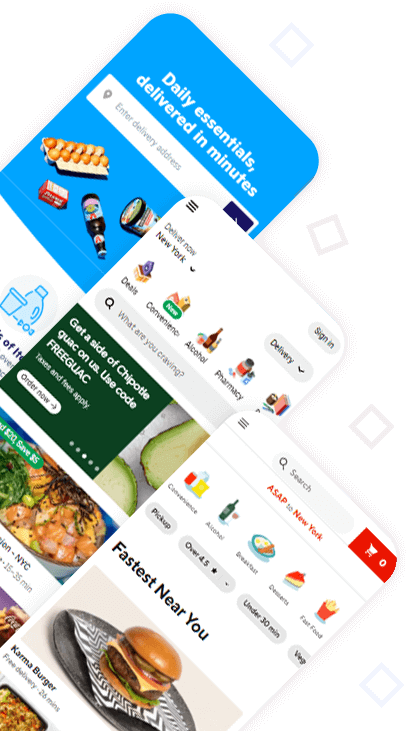
How to Extract Google Restaurant Menu Data Using APIs for Dining Intelligence

How to Extract Google Restaurant Menu Data Using APIs for Dining Intelligence?

Restaurant menu data powers critical business decisions in the food industry. From competitive analysis to pricing strategies, accessing accurate menu information helps restaurants, food delivery platforms, and market researchers stay ahead. This guide explains how to extract Google restaurant menu data using APIs, specifically for dining intelligence applications.

What Is Google Restaurant Menu Data Extraction?

Restaurant menu data extraction involves retrieving structured information about restaurant menus directly from Google’s vast database. This includes dish names, prices, descriptions, categories, dietary information, and availability status. The process uses APIs to automate data collection that would otherwise require manual research across thousands of restaurant listings.

Foodspark specializes in providing these extraction capabilities through reliable API infrastructure. Therefore, businesses can access real-time menu data without building complex scraping systems from scratch.

Why Do Businesses Need Restaurant Menu Data APIs?

Restaurant menu APIs serve multiple industries beyond traditional dining establishments. Food delivery platforms need current pricing to maintain accurate listings. Marketing agencies require menu data to analyze consumer trends and preferences. However, the most significant benefit comes from competitive intelligence.

Market research firms use menu data to track pricing strategies across geographic regions. Restaurant chains analyze competitor offerings to adjust their own menus accordingly. Meanwhile, food tech startups build recommendation engines that match diners with restaurants based on specific menu items and dietary preferences.

The alternative to API-based extraction involves manual data collection. This approach consumes excessive time, introduces human error, and quickly becomes outdated. Furthermore, manual methods cannot scale to cover thousands of restaurants across multiple cities.

How Does Google Store Restaurant Menu Information?

Google aggregates menu data from multiple sources. Restaurants directly upload menus through Google Business Profile. Third-party platforms share their data with Google through partnerships. Additionally, Google’s algorithms extract menu information from restaurant websites.

This multi-source approach creates a comprehensive database. However, it also means menu data quality varies significantly. Some restaurants maintain updated menus daily, while others leave outdated information for months. Therefore, API solutions must handle inconsistent data formats and missing information gracefully.

Foodspark processes these variations to deliver clean, standardized menu data. The platform normalizes different formatting styles and fills gaps using machine learning techniques trained on millions of menu items.

What Are the Key Components of Menu Data APIs?

Restaurant menu Data typically provide several core data fields. The dish name appears as the primary identifier, followed by the price in local currency. Categories organize items into appetizers, entrees, desserts, and beverages. Descriptions offer additional details about ingredients, preparation methods, and portion sizes.

Advanced APIs include nutritional information when available. This encompasses calorie counts, allergen warnings, and dietary labels like vegan, gluten-free, or keto-friendly. Moreover, some APIs track item availability, indicating whether dishes are offered for lunch, dinner, or specific days of the week.

The most valuable APIs deliver historical data alongside current menus. This temporal dimension enables trend analysis and seasonal pattern recognition. Consequently, restaurants can optimize their offerings based on proven performance metrics rather than guesswork.

How Can You Access Google Restaurant Menu Data Through APIs?

Several methods exist for accessing Google restaurant menu data programmatically. The Google Places API provides basic restaurant information, including limited menu details for some locations. However, this official API has significant limitations for comprehensive menu extraction.

Specialized data providers like Foodspark offer dedicated restaurant menu APIs with broader coverage and deeper data. These platforms aggregate information from Google and other sources to create unified datasets. The APIs typically use RESTful architecture, making integration straightforward for developers familiar with standard web protocols.

Authentication usually requires API keys distributed through the provider’s dashboard. Rate limits vary by subscription tier, with enterprise plans offering higher request volumes. Additionally, most providers implement caching strategies to ensure fast response times even for frequently requested data.

What Are the Steps to Extract Menu Data Using APIs?

The extraction process begins with restaurant identification. You need either a Google Place ID or basic details like restaurant name and address. Foodspark API accepts both formats, automatically matching inputs to Google’s database.

After identification, send a GET request to the menu endpoint with your API key and restaurant identifier. The API returns structured JSON data containing all available menu information. Response times typically range from 200 milliseconds to 2 seconds depending on cache status and data complexity.

Next, parse the JSON response to extract specific fields your application requires. Most programming languages include native JSON parsing libraries. However, you should implement error handling for missing fields, as not every restaurant provides complete data.

Finally, store the extracted data in your database with appropriate timestamps. This creates an audit trail for tracking menu changes over time. Moreover, scheduled API calls enable automated updates, ensuring your database remains current without manual intervention.

How Do You Handle Menu Data Quality and Consistency?

Menu data quality presents the biggest challenge in automated extraction. Restaurants update menus at different frequencies. Some change offerings daily, while others maintain static menus for years. Therefore, your system must accommodate both scenarios without generating false alerts for stable menus or missing genuine updates.

Foodspark implements confidence scores for each data point. These scores indicate reliability based on source freshness, consistency across multiple sources, and historical accuracy patterns. Consequently, applications can filter data based on quality thresholds appropriate for their use case.

Standardization proves equally important. Different restaurants describe the same dish using varying terminology. A “cheeseburger” might appear as “classic burger with cheese,” “hamburger with cheddar,” or simply “burger.” Natural language processing algorithms group these variations, enabling meaningful comparisons across establishments.

What Are the Common Use Cases for Restaurant Menu APIs?

Food delivery platforms represent the largest consumer of restaurant menu APIs. They need current menus for every restaurant on their platform. Manual updates cannot scale to thousands of restaurants, making APIs essential infrastructure. Furthermore, real-time price synchronization prevents customer complaints about pricing discrepancies.

Competitive intelligence tools help restaurant chains monitor competitors’ offerings and pricing strategies. These systems track menu additions, removals, and price changes across designated market areas. Marketing teams use this intelligence to position their own offerings more effectively.

Dietary recommendation apps match users with restaurants based on specific nutritional requirements or preferences. These applications query menu APIs to find dishes meeting criteria like low-carb, high-protein, or allergen-free. Meanwhile, the same data powers restaurant discovery features in travel and lifestyle apps.

How Much Does Restaurant Menu Data Extraction Cost?

Pricing models for menu APIs vary significantly. Some providers charge per API call, with costs ranging from $0.001 to $0.05 per request. Others offer subscription tiers with monthly request quotas. Enterprise plans typically include unlimited requests within reasonable use policies.

Foodspark structures its pricing based on data freshness requirements and coverage areas. Basic plans provide weekly updated menu data for specific geographic regions, while premium tiers offer daily updates with global coverage. These plans are ideal for Food Competitor Price Monitoring, enabling businesses to track price changes, compare competitors, and respond quickly to market shifts. Additionally, volume discounts are available for applications handling millions of requests each month.

Building an in-house scraping solution appears cheaper initially. However, maintenance costs, infrastructure expenses, and legal risks quickly accumulate. Third-party APIs amortize these costs across multiple clients while ensuring compliance with data usage policies.

What Legal Considerations Apply to Menu Data Extraction?

Data extraction must comply with Google’s Terms of Service and applicable copyright laws. Google allows authorized API access through official channels and approved partners. However, aggressive scraping that burdens Google’s infrastructure violates these terms.

Foodspark maintains partnerships and licensing agreements ensuring compliant data access. Users inherit this compliance through API usage agreements. Therefore, businesses avoid legal exposure while accessing comprehensive menu data.

Menu descriptions and dish names generally do not qualify for copyright protection as factual information. However, creative elements like unique recipe descriptions might receive limited protection. Consequently, commercial applications should consult legal counsel when repurposing menu content for marketing materials.

How Can You Optimize API Performance for Large-Scale Operations?

Large-scale menu data operations require careful optimization. Implement caching strategies to reduce redundant API calls for frequently accessed restaurants. Local caches should refresh based on your data freshness requirements, typically every 24-72 hours for most applications.

Batch requests improve efficiency when extracting menus for multiple restaurants simultaneously. Many APIs support bulk endpoints accepting multiple restaurant identifiers in a single request. This reduces network overhead and accelerates processing time significantly.

Asynchronous processing handles high-volume operations more effectively than synchronous requests. Queue extraction tasks and process them in parallel using worker threads. Furthermore, implement exponential backoff for failed requests to avoid overwhelming the API during temporary service disruptions.

What Metrics Should You Track for Menu Data Quality?

Successful menu data operations require monitoring several key metrics. Data completeness measures the percentage of restaurants with full menu information versus partial listings. Aim for completeness rates above 80% for reliable analytics.

Update frequency indicates how often restaurant menus change in your database. Compare this against actual restaurant update patterns to ensure your refresh schedule remains appropriate. Additionally, track the lag between menu changes at restaurants and updates in your database.

Accuracy validation requires sampling random menu items and verifying them against restaurant websites or direct calls. Conduct these audits quarterly to maintain confidence in data quality. Moreover, user-reported discrepancies provide valuable signals for identifying systemic issues.

Conclusion: Building Intelligent Dining Applications with Menu Data

Restaurant menu data APIs transform how businesses understand and interact with the dining industry. They enable real-time competitive analysis, power personalized recommendation engines, and automate operational workflows that previously required extensive manual effort.

Foodspark provides the infrastructure needed to build intelligent food and delivery applications. The platform’s Food Data API delivers comprehensive menu data with industry-leading accuracy and wide coverage, enabling developers to access reliable, structured datasets at scale. As a result, teams can focus on building unique features and user experiences instead of spending time on complex data collection challenges.

The future of dining intelligence depends on accessible, reliable menu data. Businesses that leverage API-based extraction today position themselves to capitalize on emerging opportunities in food technology, delivery services, and hospitality innovation. Start exploring menu data APIs to unlock competitive advantages in the rapidly evolving restaurant industry.

Get Started

Unlock Dining Intelligence with Google Restaurant Menu Data

Turn Google restaurant listings into structured menu, pricing, and popularity data using Foodspark’s Google Restaurant Menu Data APIs—analytics-ready and scalable.

Get started Today!
cta-bg