top-use-cases-food-data-apis-across-food-tech-delivery-analytics

Top Use Cases for Food Data APIs Across Food Tech, Delivery & Analytics

What Are Food Data APIs and Why Do Businesses Need Them?

Food data APIs are software interfaces that provide structured access to nutrition information, ingredient details, recipe databases, and restaurant menu data. Businesses use these APIs to integrate verified food information into their applications without manually compiling databases. This technology saves development time, ensures data accuracy, and helps companies launch products faster.

Companies across food technology, delivery platforms, and health analytics rely on food data APIs to power their services. For instance, meal planning apps use these APIs to retrieve nutritional values, while delivery platforms integrate them to display accurate menu information. According to industry research, the global food tech market is expected to reach $342 billion by 2027, with data infrastructure playing a critical role in this growth.

At Foodspark, we provide comprehensive food data API solutions that serve thousands of businesses worldwide. Our platform delivers real-time access to verified nutrition data, ingredient breakdowns, and allergen information that powers diverse applications across multiple industries.

How Do Recipe Apps Use Food Data APIs?

Recipe applications depend heavily on food data APIs to enhance user experience and provide accurate cooking guidance. These platforms integrate API endpoints to access ingredient databases, cooking instructions, and nutritional calculations automatically.

When users search for recipes on mobile apps, the application queries the food data API to retrieve relevant matches. The API returns structured information including ingredient quantities, preparation steps, cooking times, and serving sizes. This instant data retrieval creates seamless experiences for home cooks.

Additionally, recipe apps use APIs to calculate nutritional values dynamically. When users adjust serving sizes, the API recalculates calories, macronutrients, and micronutrients in real-time. This functionality helps users make informed dietary choices without manual calculations.

Foodspark offers specialized recipe endpoints that include over 800,000 verified recipes with complete nutritional profiles. Our API handles serving size conversions automatically and provides consistent data formatting that simplifies frontend development.

What Role Do Food Data APIs Play in Meal Planning Platforms?

Meal planning platforms require sophisticated data management to generate personalized weekly menus and shopping lists. Food data APIs provide the foundation for these complex features by offering instant access to comprehensive food databases.

These platforms typically allow users to set dietary preferences, calorie targets, and ingredient restrictions. The API processes these parameters and returns suitable meal combinations that meet nutritional requirements. For example, a user requesting vegetarian meals under 2,000 calories daily receives automatically generated menu plans.

Furthermore, meal planning services use APIs to create synchronized shopping lists. The system aggregates ingredients from selected recipes, removes duplicates, and organizes items by grocery store categories. This automation significantly improves user convenience and platform stickiness.

Barcode scanning represents another crucial feature powered by food data APIs. Users scan packaged foods, and the API instantly retrieves complete nutritional information from databases containing millions of products. This functionality transforms how people track their grocery shopping and meal preparation.

The Foodspark platform includes advanced meal planning features with customizable dietary filters, allergen tracking, and multi-week menu generation. Our API supports both recipe-based meal plans and whole-food tracking with comprehensive grocery store product databases.

How Do Food Delivery Apps Leverage Food Data APIs?

Food delivery platforms face unique challenges managing thousands of restaurant menus with constantly changing items and prices. Food data APIs solve these problems by providing standardized menu data structures and real-time synchronization capabilities.

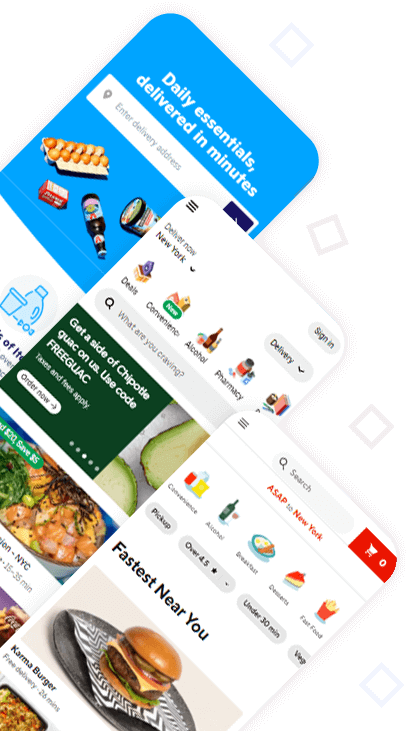
When restaurants partner with delivery platforms, their menu information becomes structured through API integrations and food app data scraping. These systems standardize dish names, descriptions, ingredients, and pricing across different restaurant formats. This consistency makes it easier for customers to search, compare, and discover menu offerings across food delivery apps.

Nutritional transparency has become increasingly important for delivery customers. Modern food data APIs enable platforms to display calorie counts, allergen warnings, and dietary labels directly on menu items. Research shows that 67% of consumers consider nutritional information when ordering food online.

Moreover, delivery apps use these APIs to power recommendation engines. By analyzing order history and nutritional preferences, the system suggests relevant dishes from various restaurants. This personalization increases order frequency and customer satisfaction.

Foodspark provides restaurant-grade APIs that handle menu management, nutritional labeling, and ingredient transparency for delivery platforms. Our system integrates with POS systems and supports multi-location restaurant chains with centralized menu control.

What Are the Key Applications in Health and Fitness Apps?

Health and fitness applications represent one of the fastest-growing segments using food data APIs. These apps help users track calories, monitor macronutrients, and achieve specific health goals through detailed food logging.

Calorie tracking apps require extensive food databases to support user logging. When users search for foods, the API returns matching items with complete nutritional profiles. The database must include restaurant foods, packaged products, and whole ingredients to provide comprehensive coverage.

Macro tracking has gained popularity among fitness enthusiasts who monitor protein, carbohydrates, and fats precisely. Food data APIs calculate these values instantly and support custom portion sizes. Users can track “0.75 cups of oatmeal” or “3.2 ounces of chicken breast” with accurate nutritional outputs.

Integration with wearable devices creates powerful health ecosystems. When fitness trackers measure activity levels, the food data API helps calculate recommended calorie intake and nutritional targets. This synchronization between exercise and nutrition data improves user outcomes significantly.

The Foodsark.com platform specializes in fitness-oriented data endpoints that include detailed amino acid profiles, micronutrient tracking, and supplement databases. Our API supports both metric and imperial measurements with precise conversion calculations.

How Do Restaurants Use Food Data APIs for Menu Engineering?

Restaurant operators increasingly use food data APIs to optimize their menus, ensure regulatory compliance, and manage costs effectively. These business intelligence applications help establishments make data-driven decisions about their offerings.

Menu nutrition analysis requires accurate ingredient-level data for recipe calculations. When restaurants create new dishes, they input ingredients and quantities into systems powered by food data APIs. The system calculates total nutritional values, helping chefs design balanced menu items.

Regulatory compliance represents a critical concern for restaurant chains. Many jurisdictions now require calorie labeling on menus for establishments with multiple locations. Food data APIs automate these calculations and generate compliant nutritional labels that meet local regulations.

Cost management becomes more efficient when restaurants integrate food data APIs with inventory systems. By tracking ingredient prices alongside nutritional data, operators identify opportunities to reformulate recipes without compromising quality. This approach reduces food costs while maintaining customer satisfaction.

Additionally, allergen management protects customers with dietary restrictions and reduces liability risks. APIs flag potential allergens in dishes and help staff provide accurate information to concerned diners. This transparency builds trust and expands the potential customer base.

Foodspark offers restaurant-specific API solutions that include cost-per-serving calculations, allergen tracking for the top 14 allergens, and automated nutrition label generation compliant with FDA regulations.

What Benefits Do Grocery and E-commerce Platforms Gain?

Online grocery platforms and food e-commerce sites use quick commerce data APIs and food data APIs to enhance product listings, enable smart search functionality, and deliver nutritional transparency that influences purchasing decisions.

Through product information enrichment, Quick Commerce Data APIs automatically provide detailed nutritional facts, ingredient lists, and allergen warnings when customers view items. This comprehensive data improves the online shopping experience, reduces customer service inquiries, and lowers return rates.

Smart search functionality helps shoppers find products matching specific criteria. Users can search for “high-protein, low-sugar breakfast cereals” and receive relevant results instantly. The API filters products based on nutritional parameters and dietary tags.

Personalized recommendations increase average order values on e-commerce platforms. By analyzing purchase history and nutritional preferences, the system suggests complementary products. For example, someone buying almond flour might receive recommendations for keto-friendly recipes and related ingredients.

Furthermore, subscription box services use food data APIs to curate customized boxes meeting subscriber preferences. The API ensures each box meets nutritional targets while providing recipe variety. This automation scales personalized service without proportional increases in operational costs.

The Foodspark platform includes e-commerce-optimized endpoints with product comparison features, dietary filter capabilities, and integration-ready structured data for enhanced search visibility.

How Do Food Data APIs Support Research and Analytics?

Academic researchers, nutrition consultants, and public health organizations leverage food data APIs to conduct population-level studies, analyze dietary patterns, and develop evidence-based recommendations.

Large-scale dietary studies require standardized food composition data for accurate analysis. Researchers use APIs to access harmonized nutritional databases that enable comparisons across different populations and time periods. This consistency improves study validity and reproducibility.

Public health initiatives benefit from real-time data on food consumption patterns. When integrated with survey tools, food data APIs help track population nutrition trends. Health departments use this information to design targeted intervention programs addressing specific nutritional deficiencies.

Nutrition consultants use API-powered tools to analyze client diets comprehensively. The system identifies nutritional gaps, suggests food swaps, and generates detailed reports. This professional-grade analysis would be impossible without automated access to extensive food databases.

Corporate wellness programs increasingly incorporate nutrition tracking powered by food data APIs. Employers offer apps that help employees make healthier food choices, reducing healthcare costs and improving productivity. Studies indicate that effective wellness programs generate ROI of $1.50 to $3.00 for every dollar spent.

Foodspark provides research-grade APIs with historical data access, bulk data exports, and advanced filtering capabilities that support academic and commercial research projects worldwide.

What Technical Considerations Matter When Choosing Food Data APIs?

Selecting the right food data API requires evaluating several technical factors that impact performance, reliability, and long-term maintainability of your application.

Data accuracy stands as the most critical factor. The API should source information from verified databases like USDA FoodData Central, which contains over 400,000 food items with laboratory-tested values. Cross-reference accuracy rates and update frequencies before committing to a provider.

API response time directly affects user experience. Look for services offering response times under 200 milliseconds and uptime guarantees exceeding 99.9%. Slow APIs create frustrating experiences that drive users to competitor apps.

Database coverage determines how many user queries the API can successfully answer. Comprehensive databases should include restaurant foods, packaged products, whole ingredients, and international cuisines. Limited coverage leads to user frustration and increased support requests.

Documentation quality impacts development speed significantly. Well-documented APIs with code examples, interactive testing environments, and clear error messages reduce integration time by 40-60% compared to poorly documented alternatives.

Pricing structure should align with your business model. Consider whether the provider charges per API call, monthly subscriptions, or tiered pricing based on usage. Factor in expected growth when calculating long-term costs.

The Foodspark API delivers sub-100ms response times, maintains 99.98% uptime, and provides comprehensive documentation with SDKs in Python, JavaScript, Ruby, and PHP for seamless integration.

Conclusion: Why Food Data APIs Power the Future of Food Technology

Food data APIs have become essential infrastructure for modern food technology businesses. These systems enable rapid innovation, ensure data accuracy, and create seamless user experiences across diverse applications. From meal planning and fitness tracking to restaurant operations and e-commerce, food data APIs provide the foundation for digital transformation in the food industry.

The competitive advantages of implementing robust food data APIs include faster time-to-market, reduced operational costs, and improved user engagement through personalized experiences. Businesses that leverage these technologies position themselves ahead of competitors still managing food data manually.

As consumer demand for nutritional transparency and personalized nutrition continues growing, food data APIs will become even more critical. The integration of artificial intelligence, voice interfaces, and predictive analytics will create new applications requiring sophisticated data infrastructure.

Whether you’re launching a startup or optimizing an established platform, choosing the right food data API partner determines your success. Foodspark offers comprehensive, reliable, and scalable API solutions trusted by leading food tech companies worldwide. Our platform combines extensive databases, fast response times, and developer-friendly tools that accelerate your product development.

Get Started

Unlock the Power of Food Data APIs

Unlock the power of Food Data APIs with real-time access to menus, pricing, nutrition, availability, and delivery insights across leading food platforms.

Get started Today!
cta-bg