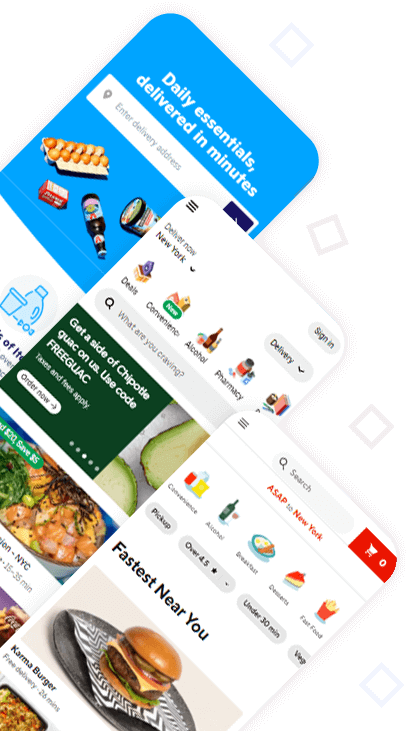
How Restaurants Leverage Data Scraping for Competitor Pricing Intelligence

How Restaurants Leverage Data Scraping for Competitor Pricing Intelligence

Pricing strategy is key to growth in restaurants. Whether you have a single cozy cafe or a handful of multi-location restaurant chains, pricing keeps you competitive, directly impacting customer counts, profitability, and perception. But how does a restaurant know if their pricing is right? Are they too high, or are they leaving money on the table?

This is where competitor pricing intelligence comes in. Competitor pricing intelligence is gathering pricing data from competitors and analyzing it, and the most effective way to do this in today’s restaurant industry is through data scraping! Data scraping is a way of extracting large amounts of data from websites and online sources.

In this blog, we will examine how restaurant price intelligence through data scraping can keep restaurants aware of price changes, help establish reactions to competitor pricing, and ensure they can offer value to their customers. We will also touch on how Foodspark, as a data solutions partner, helps restaurants uncover pricing insights to grow their business.

Understanding Competitor Pricing Intelligence

Competitor pricing intelligence refers to the act of gathering and analyzing the pricing of competitors in their respective categories. For restaurants, pricing intelligence includes tracking to see how similar businesses are pricing their items (e.g., individual dishes, combo meals, delivery options, promotions, etc.).

For instance, a local burger shop may notice that orders drop off significantly during the evening. If they engage in pricing intelligence, a competitor might have rolled out a combo meal for a lower price nearby. Knowing this information exempted them from incorrectly interpreting the prior performance and gave them room to react (to change prices themselves or roll out a stronger value deal).

Restaurants Use Pricing Intelligence To:

  • Keep from pricing themselves out of the marketplace.
  • Provide strong perceived value to customers.
  • Add measuring sticks by which to compare themselves against leading competitors.
  • Change prices faster for seasonal or event-based pricing shifts.

In sum, pricing intelligence allows all restaurants—whether a mom-and-pop restaurant or a large franchise—to have a greater competitive edge in a continually evolving landscape.


What is Web Scraping?

Web scraping resembles a virtual assistant working on your behalf to copy useful information from a website automatically and at scale. Essentially, it is a behind-the-scenes tool that visits food delivery sites, restaurant websites, or review sites and helps collect useful data, specifically menu item offerings, pricing, and customer ratings.

Here is a high-level overview of how it works:

  • A script (or bot) is created to visit websites such as Zomato, Swiggy, Uber Eats, or DoorDash.
  • Much like a human, it navigates the restaurant page.
  • The script recognizes where dishes (menu items), prices, deals, and customer reviews are listed.
  • It extracts that information and automatically saves it in a structured format (i.e., spreadsheet or database).

This scraped data is useful to restaurants as it enables them to see:

  • What dishes are getting the most hits?
  • How competitor/proximity restaurants price similar items;
  • Where they rank on affordability and value;

Restaurant owners and operators are able to get real-time visibility into what is going on around them without having to manually browse through hundreds of websites.


What Are The Key Data Points Extracted for Pricing Intelligence?

When a restaurant is scraping competitive information, it is not only about prices. Point of view is building a whole picture to price against. Here are a few of the primary data points that are scraped:

  • Menu items/category: What are the competitors’ menu items within their cuisines (Italian, Indian, Vegan)?
  • Price per item: Here we would include not only the base price but also the additions and the threading (regular vs. large pizza).
  • Combo/pricing offers: “Buy 1 Get 1” or lunch combo
  • Delivery fees and service fees: What are the things customers are scrapping their fees for as to what the final cost will be, if ever the posted price?
  • Competitive pricing by location: Just because a dish costs $20 at one location, it doesn’t mean it will be the same at another city/neighborhood.
  • Tax breakdown: What is absorbed and what is a charge to the customer?
  • Ratings/popularity points: The number of reviews or mentions of a menu item may indicate best-selling items.

Now if restaurants can source these things, they can make links with this data to improve menus, create better combos, and better price food.


How Restaurants Use Scraped Data for Pricing Decisions?

Scraped pricing information becomes the core of smarter decisions. Here are some of the ways restaurants use that information:

  • Benchmarking pricing: To see how their price points stack up against their best competitors in the same area
  • Regional pricing approach: The menu pricing can vary substantially based on local economy or demand
  • Dynamic pricing: Menu pricing varies by time (the lunch menu should probably look different than the dinner menu) or based on consumer behavior
  • Finding value gaps: It allows for the elimination of overpriced items or non-utilized combinations.
  • Trend analysis: To understand what items or formats (i.e., family packs or takeout) are hot and can deliver similar value

As an example, if scraped data shows that a competitor just created a successful low-cost meal combo, a restaurant can easily respond with their own version.


Case Study: Using Scraped Data to Adjust Prices Effectively

Consider a fictitious restaurant chain called Urban Curry based in Los Angeles. They had been worried about a decrease in evening orders from a new suburb that currently had a high proportion of their customers. Urban Curry’s longtime loyalty partner, Foodspark, provided them with their current pricing intelligence set. Upon looking at it, there was a new competitor in the local market that was selling Urban Curry’s most popular menu items, namely butter chicken and biryani, for cheaper prices, discount delivery charges, and 10% off weekday dinners.


What Are The Benefits of Pricing Intelligence Through Data Scraping?

Here are the benefits of pricing intelligence for modern restaurants:

  • Higher Revenue: Better pricing means increased orders without lowering the margin.
  • Better Fit: Products are in line with what locals can afford and expect.
  • Faster Decisions: Data is real-time, so you can react faster to changing competitor strategies.
  • Higher Customer Satisfaction: Customers feel like they got a good deal and were not “screwed over.”

Informed Promotional Programs: Promotions are based on gaps in the market data instead of a feeling or instinct.


What Are The Challenges and Legal Considerations in Data Scraping?

If you want to scrape data, there are some challenges that you may encounter, such as

  • Anti-bot restrictions. Some sites have CAPTCHAs, login walls, or JavaScript rendering in place to limit scrapers from working effectively.
  • Frequent style changes. Many sites regularly alter their front end, which affects the scrapers.
  • Legal issues with scraping. Some sites will stipulate the use of scraping within their terms and conditions.
  • Bad extracted data. Improperly configured scrapers can collect unusable or incorrect data.

The challenges of data scraping can be managed using the right scraping technologies, adapting your scripts to reflect the changing variables, and ensuring compliance with data collection laws. In this respect, restaurants must partner with ethical partners that are compliant with the legal space.


What Is The Future of Data Scraping in Restaurant Pricing Strategy?

The future will be data-driven and adaptive. Here is what is to come:

  • AI-Based Pricing Models: Price points developed through machine learning-based patterns of demand for given times or weather conditions.
  • Point-of-Sale Integration: Pricing decisions made on the fly are tied to point-of-sale systems to ensure decision implementation without delay.
  • Real-Time Monitoring: Web-scraping tools running hourly or daily to rapidly respond to competitor pricing or offerings, many of them with very short time response windows.
  • Voice and Image Scraping: Competitive pricing insights through scraping prices from voice menus or flyer promotions presented as images (as examples).

Success in a competitive landscape will be anchored to continual investment in these technologies, and companies that prioritize them will be in a strong competitive position long-term.


Final Thoughts

In the competitive landscape of food service, pricing can no longer be arbitrary. Restaurants now have tools available through data scraping to market themselves in a smart, strategic, and profitable way.

Understanding your local competitors, tracking local trends to adjust pricing, and so much more, data scraping has a wide range of applications. However, with a trusted partner like Foodspark, local restaurants don’t have to think about the technical aspects; rather, they receive clean, usable pricing analytics that help them make better decisions.

Regardless if you are a small cafe or a large established chain looking to take over your market, competitor pricing intelligence through data scraping is the future of smart and stronger restaurant management.

Stay ahead of your competition with real-time menu and pricing insights

Explore Our Latest Insights

Top Benefits of Liquor Price Data Scraping for Market Intelligence in 2026

Top Benefits of Liquor Price Data Scraping for Market Intelligence in 2025 What is Liquor Price Data Scraping? Liquor price...

Read more

Top Use Cases of Swiggy API for Food Businesses in 2025

Top Use Cases of Swiggy API for Food Businesses in 2025 The food delivery industry continues to evolve rapidly. Food...

Read more

What Are the Best Tools to Scrape Selling Grocery Product Data from Walmart USA?

What Are the Best Tools to Scrape Selling Grocery Product Data from Walmart USA? Introduction Walmart is a globally known...

Read more