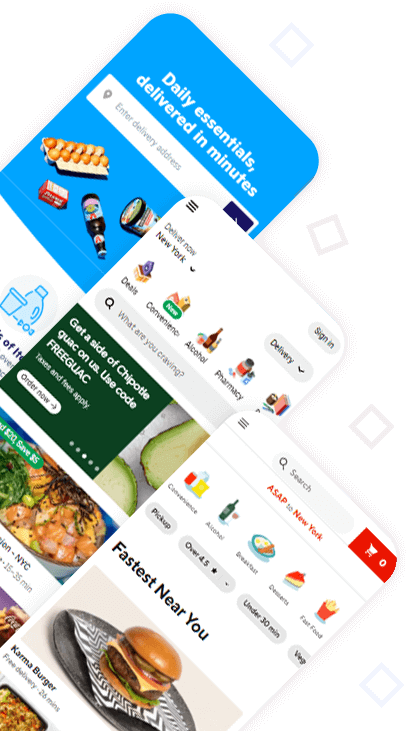
How to Scrape Zomato Data Complete Guide to Extracting Restaurant & Item Details Get The Full Insight

How to Leverage Restaurant Data Scraping for Creating Menus and Business Growth

The food and beverage industry is one of the most competitive markets in the world. With thousands of restaurants competing for the same customers on platforms like Swiggy, Zomato, DoorDash and Uber Eats  the businesses that use data intelligently will always have the edge.

Restaurant data scraping is the most powerful tool available to food businesses today  enabling them to extract real-time menu data, competitor pricing, customer reviews and market trends from any food delivery platform at scale.

In this complete guide, FoodSpark walks you through exactly how to leverage restaurant data scraping to create better menus and drive sustainable business growth.

What is Restaurant Data Scraping?

Restaurant data scraping is the automated process of collecting structured data from food delivery platforms and restaurant websites including menu items, pricing, discounts, customer reviews, ratings and delivery information using advanced web scraping tools and APIs.

Instead of manually checking competitor menus or spending hours on market research, businesses use restaurant data scraping to access accurate, real-time intelligence at scale delivered in clean, structured formats like CSV, JSON or API feeds.

What Data Can Be Scraped from Restaurants?

  • Menu Data : Dish names, descriptions, categories, ingredients
  • Pricing Data: Item prices, MRP, discounts, combo offers
  • Review Data : Customer ratings, feedback, sentiment scores
  • Delivery Data : Delivery time, charges, service areas
  • Promotional Data : Active offers, cashback, seasonal deals
  • Location Data : Restaurant address, coverage zones, timings
  • Competitor Data : Cross-platform menu and pricing comparison

Why Do Food Businesses Need Restaurant Data Scraping?

According to Grand View Research, the global food delivery market was valued at $288.84 billion in 2024 and is projected to reach $505.50 billion by 2030. In this rapidly growing market, making decisions without data is no longer an option.

Here is why food businesses need restaurant data scraping:

  • Market Intelligence : Understand food delivery trends in real time
  • Smarter Pricing : Set competitive prices based on real market data
  • Better Menus : Create menus based on what customers actually want
  • Reputation Tracking : Monitor reviews and ratings across platforms
  • Faster Growth : Identify market gaps before competitors do
  • Targeted Strategy : Make data-backed decisions instead of guesses

How to Use Restaurant Data Scraping to Create Better Menus

One of the most powerful applications of restaurant data scraping is menu optimization using real market data to design menus that customers actually want to order from.

1. Identify Trending Food Items

By scraping menu data from hundreds of restaurants in your city or region, you can identify:

  • Which food categories are growing fastest
  • Which dishes appear on the most successful menus
  • Which items consistently get the best reviews
  • Which cuisine types are trending in your target market

Example: If data shows that high-protein bowls are appearing on 40% of top-rated menus in your area with consistently positive reviews  that is a clear signal to add similar items to your own menu.

2. Analyze Bestselling Dishes

Restaurant data scraping lets you go beyond just seeing what competitors offer it helps you understand what is actually selling.

By analyzing review data alongside menu data, businesses can identify:

  • Which dishes get mentioned most positively in reviews
  • Which items drive repeat orders
  • Which categories generate the highest customer satisfaction
  • Which dishes are consistently recommended by customers

3. Understand Your Target Audience

Before designing your menu, understanding your target customer is critical. Restaurant data scraping helps you:

  • Analyze what different demographic groups are ordering
  • Identify dietary preference trends vegan, keto, gluten-free
  • Understand age-specific food preferences in your area
  • Track seasonal ordering patterns by region

Key Insight: Younger demographics under 30 tend to be more experimental with food choices, while customers over 50 typically prefer familiar comfort foods. Restaurant data scraping helps you design menus that resonate with your specific audience.

4. Study Menu Evolution Over Time

By tracking historical menu data, businesses can understand:

  • How successful restaurants have evolved their menus
  • Which dishes were removed and why
  • How menu changes have impacted ratings and reviews
  • What is no longer working in the market

How Restaurant Data Scraping Improves Pricing Strategy

Pricing is one of the most critical factors in a restaurant’s success and one of the most difficult to get right without data.

What is Restaurant Price Scraping?

Restaurant price scraping is the automated extraction of menu pricing data from food delivery platforms  capturing current prices, MRP, discount percentages, promotional pricing and location-specific price variations across all competitor restaurants.

How to Use Pricing Data for Competitive Advantage

Step 1 : Extract Competitor Prices
Scrape real-time pricing from all competitor restaurants in your area across Swiggy, Zomato, DoorDash and other platforms.

Step 2 :  Analyze Price Positioning
Understand where your prices sit relative to competitors are you premium, mid-range or budget?

Step 3 : Identify Price Gaps
Find dishes where competitors are overpriced or underpriced and position your menu accordingly.

Step 4 : Monitor Price Changes
Track when competitors change prices and react quickly to stay competitive.

Step 5 : Optimize for Maximum Revenue
Use pricing intelligence to find the sweet spot competitive enough to win customers, profitable enough to grow.

How Restaurant Review Scraping Drives Business Growth

Customer reviews are one of the most valuable data sources available to food businesses and restaurant review scraping makes it possible to analyze thousands of reviews at scale.

What Can You Learn from Scraped Reviews?

By extracting and analyzing customer reviews from platforms like Swiggy, Zomato, Google and Yelp, businesses can understand:

  • What customers love about competitor restaurants
  • What customers complain about most frequently
  • Which specific dishes get the most positive mentions
  • How delivery experience affects overall ratings
  • What drives 5-star vs 1-star reviews in your category

Location-Based Review Intelligence

Restaurant data scraping also provides location-specific Review Intelligence Data Insights helping businesses understand:

  • Which areas give higher ratings for specific cuisines
  • How customer expectations vary by neighborhood
  • Which locations are underserved by quality restaurants
  • Where expansion opportunities exist based on review gaps

Step-by-Step Guide to Using Restaurant Data Scraping

Step 1 : Define Your Data Requirements

Before starting any restaurant data scraping project, clearly define:

  • Which platforms to scrape (Swiggy, Zomato, DoorDash, Uber Eats)
  • Which cities or regions to cover
  • Which data fields you need (Menu, pricing, reviews, ratings)
  • How often you need data updates (Real-time, daily, weekly, monthly)
  • What format you need data in (CSV, JSON, API, Excel)

Step 2 : Choose a Data Scraping Method

MethodBest ForComplexity
DIY ScrapingTechnical teams, small projectsHigh
FoodSpark APIReal-time data needsLow
Custom DatasetsOne-time research projectsLow
Scheduled Data FeedsOngoing intelligence needsLow

Step 3 : Extract & Validate Data

Once your scraping is set up, data goes through:

Extraction → Validation → Cleaning → 
Structuring → Quality Check → Delivery

FoodSpark’s multi-stage validation process ensures 99%+ data accuracy at every step.

Step 4 : Analyze & Apply Insights

Use your scraped restaurant data to:

  • Redesign your menu based on trending items
  • Adjust pricing based on competitor intelligence
  • Improve dishes based on review sentiment
  • Identify expansion opportunities by location
  • Create more targeted marketing campaigns

Step 5 : Monitor & Update Continuously

Restaurant data changes constantly menus update, prices change, new competitors enter the market. Set up ongoing data monitoring to stay ahead of every market change in real time.

Why Food Businesses Choose FoodSpark for Restaurant Data Scraping

FoodSpark is a trusted global restaurant data scraping provider helping 500+ food businesses worldwide access real-time menu intelligence, pricing data and competitor insights from 20+ platforms.

FeatureFoodSparkDIY Scraping
Setup Time24-48 HoursWeeks
Accuracy99%+ Guaranteed70-85%
Data FormatsCSV, JSON, XML, APILimited
MaintenanceFully ManagedConstant
Platform Coverage20+ Platforms2-3 Platforms
CostTransparentHidden Costs
SupportDedicated TeamNone

Industries That Benefit from Restaurant Data Scraping

IndustryHow They Use Restaurant Data
Restaurants & QSRMenu optimization & pricing strategy
Cloud KitchensMarket analysis & zone expansion
FMCG & Food BrandsProduct placement & market intelligence
Market Research FirmsFood industry trend analysis
Food StartupsMarket validation & competitive insights
Food AggregatorsPlatform performance intelligence
Investment FirmsRestaurant market intelligence
Logistics CompaniesDelivery performance benchmarking

Conclusion

Restaurant data scraping is no longer a luxury for food businesses it is a competitive necessity. From designing better menus based on real market trends to setting smarter prices based on competitor intelligence, the businesses that leverage restaurant data scraping will consistently outperform those that rely on guesswork.

FoodSpark makes restaurant data scraping accessible, affordable and incredibly powerful delivering accurate, real-time food intelligence from 20+ platforms to 500+ businesses worldwide.

Whether you are a restaurant looking to optimize your menu, a cloud kitchen expanding into new markets, or an FMCG brand monitoring competitor activity FoodSpark has the restaurant data scraping solution your business needs.


Get Started

Start Your Restaurant Data Scraping Project

FoodSpark The World’s Most Trusted Restaurant Data Scraping Service ProviderGet started Today!
cta-bg

FAQ About Restaurant Data Scraping

Restaurant data scraping is the automated process of extracting structured data from food delivery platforms and restaurant websites including menus, pricing, reviews, ratings and delivery information using advanced web scraping tools and APIs.


Restaurant data scraping helps food businesses identify trending dishes, analyze bestselling items, understand customer preferences and study competitor menus — enabling data-driven menu design that resonates with target audiences.


FoodSpark scrapes 20+ platforms including Swiggy, Zomato, DoorDash, Uber Eats, Grubhub, Just Eat, Deliveroo, Foodpanda, Talabat and more.

FoodSpark only collects publicly available data from platforms in compliance with applicable data usage policies. All data extracted is publicly visible information that any user can access manually.


FoodSpark delivers structured restaurant data in CSV, JSON, XML, Excel or via direct API feed whichever format best suits your workflow.


Yes! FoodSpark provides free sample datasets so you can evaluate data quality and structure before making any commitment.

Explore Our Latest Insights

Scrape Zomato Data Extracting Restaurant and Dish Details

How to Scrape Zomato Data Complete Guide to Extracting Restaurant & Item Details

Food Delivery Companies in USA 2026 — Market Share, Data & Intelligence Guide

The United States food delivery market has crossed a milestone most industry analysts didn’t anticipate until 2028. In 2026, the...

Read more

Top Food Delivery Companies in Singapore and How Businesses Use Their Data

Singapore’s food delivery market is active, competitive, and data-rich. With many Food Delivery Companies in Singapore offering restaurant delivery, online...

Read more

Explore Our Latest Insights

Table of Contents

Explore Our Latest Insights

Scrape Zomato Data Extracting Restaurant and Dish Details

How to Scrape Zomato Data Complete Guide to Extracting Restaurant & Item Details

Food Delivery Companies in USA 2026 — Market Share, Data & Intelligence Guide

The United States food delivery market has crossed a milestone most industry analysts didn’t anticipate until 2028. In 2026, the...

Read more

Top Food Delivery Companies in Singapore and How Businesses Use Their Data

Singapore’s food delivery market is active, competitive, and data-rich. With many Food Delivery Companies in Singapore offering restaurant delivery, online...

Read more