Food Delivery Companies in India 2026 — Top Apps, Market Share & Data Intelligence Guide Get The Full Insight

How Web Scraping Helps Analyze Restaurant Data Trends

how-web-scraping-is-used-to-analyze-restaurant-data-trends

Restaurant businesses change every day. Menus are updated. Prices move. Delivery fees change. New outlets open. Customer reviews mention new preferences, complaints, and expectations. Food delivery platforms also keep changing restaurant visibility, offers, availability, and delivery timelines based on location and demand.

For restaurants, food brands, cloud kitchens, aggregators, investors, and market research teams, these changes are valuable business signals.

Web scraping helps analyze restaurant data trends by collecting structured information from restaurant websites, food delivery apps, review platforms, aggregator platforms, menus, and location directories. This data can then be cleaned, matched, analyzed, and used for pricing intelligence, menu planning, competitor tracking, customer experience analysis, and market expansion.

To analyze restaurant data trends properly, businesses need clean and structured data from multiple online sources. A food data scraping service can help collect restaurant names, menus, prices, ratings, reviews, delivery fees, offers, location details, and platform availability in a ready-to-use format.

What Are Restaurant Data Trends?

Restaurant data trends are patterns found in restaurant-related data over time. These trends can come from menus, prices, customer reviews, ratings, offers, delivery fees, location data, platform rankings, and customer demand.

Common restaurant data trends include:

  • Menu price changes
  • New dish launches
  • Cuisine demand shifts
  • Delivery fee changes
  • Rating and review movement
  • Offer and discount patterns
  • Restaurant openings and closures
  • Location-wise food demand
  • Popular menu categories
  • Competitor pricing changes

For example, if many restaurants in one city start adding protein bowls, vegan dishes, regional meals, or premium combos, that can indicate a menu trend. If delivery fees increase during peak hours across multiple platforms, that can show a delivery cost trend.

How Do Websites Pull in Restaurant Data?

Websites can pull restaurant data through APIs, automated data collection, public web sources, mobile apps, data feeds, and structured web research. The collected information is then converted into organized formats such as CSV, Excel, JSON, dashboards, databases, or APIs.

For businesses that need recurring or real-time access, a food data api makes it easier to receive restaurant, menu, pricing, review, rating, delivery, and location data in a consistent format.

Data SourceExample Data Collected
Restaurant WebsitesMenus, prices, opening hours, outlet details
Food Delivery PlatformsListings, offers, delivery fees, ETA, ratings
Review PlatformsCustomer reviews, ratings, feedback themes
Search and Map ListingsAddress, phone number, business hours, location
Food Aggregator AppsCuisine, menu items, prices, availability
Grocery and Quick Commerce AppsProduct prices, stock, categories, discounts

After collection, the data must be cleaned, normalized, deduplicated, and matched before it becomes useful for business analysis.

Why Web Scraping Is Useful for Restaurant Trend Analysis

Restaurant data is spread across many platforms. A restaurant may appear on its own website, Google listings, Zomato, Swiggy, DoorDash, Uber Eats, Deliveroo, Yelp, TripAdvisor, and other regional platforms.

Manual tracking is slow and unreliable, especially when businesses need to monitor multiple cities, cuisines, brands, or delivery zones.

Web scraping helps businesses collect restaurant data at scale and track:

  • What competitors are selling
  • How menu prices are changing
  • Which restaurants are gaining better ratings
  • What offers are being promoted
  • Which cuisines are expanding
  • Where new outlets are appearing
  • How delivery data changes by location
  • Which platforms show stronger restaurant visibility

This makes restaurant data scraping useful for pricing teams, marketing teams, expansion teams, product teams, consultants, and investors.

What Restaurant Data Can Be Collected?

Data CategoryData Fields
Restaurant DetailsName, brand, address, city, state, country, phone, website
Menu DataMenu categories, item names, descriptions, add-ons, combos
Pricing DataItem price, combo price, discount price, delivery price
Review DataReview text, rating, review date, review count
Delivery DataDelivery fee, ETA, service area, minimum order value
Offer DataCoupons, discounts, free delivery, combo offers
Location DataLatitude, longitude, nearby areas, outlet coverage
Availability DataOpen/closed status, item availability, stock status
Platform DataSource platform, restaurant URL, ranking, visibility
Trend DataPrice movement, review movement, menu updates, cuisine shifts

This type of data helps businesses compare restaurants, platforms, cities, cuisines, and competitors with more accuracy.

Key Restaurant Data Trends Businesses Can Analyze

1. Menu Trends

Menu data shows what restaurants are selling and how their offerings change over time.

Businesses can analyze:

  • New dishes added
  • Items removed from menus
  • Best-visible menu categories
  • Add-ons and modifiers
  • Combo meal structures
  • Cuisine-specific menu growth
  • Seasonal menu changes

For example, a cloud kitchen can monitor which cuisine categories are gaining popularity in a city before launching a new virtual brand.

2. Pricing Trends

Restaurant pricing changes often happen quietly. Web scraping helps track those changes across platforms, locations, and competitors.

Businesses can monitor:

  • Item-level price changes
  • Competitor price differences
  • Premium vs budget positioning
  • Combo meal pricing
  • Platform-specific price variations
  • Delivery fee impact on total order cost
  • Discounted price vs regular price

This helps pricing teams understand whether their menu is underpriced, overpriced, or correctly positioned in the market.

3. Review and Rating Trends

Reviews are one of the strongest signals of customer experience. They show what customers like, dislike, and repeatedly mention.

Review trend analysis can reveal:

  • Food quality issues
  • Portion size complaints
  • Delivery delays
  • Packaging concerns
  • Popular dishes
  • Price dissatisfaction
  • Location-specific service problems

Instead of reading thousands of reviews manually, businesses can use structured review data to identify recurring themes and improve customer experience.

4. Delivery and Availability Trends

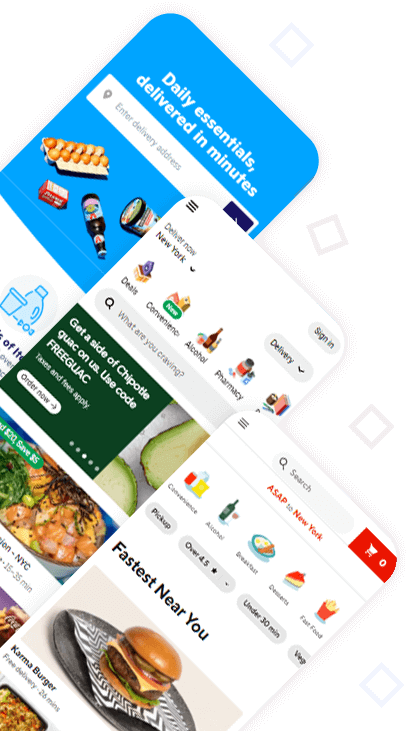
Food delivery data changes by platform, city, area, and time. Delivery platforms may update restaurant availability, delivery fees, offers, estimated delivery times, and menu visibility based on location and demand.

Food delivery data scraping helps businesses track these changes across platforms and compare delivery trends by city, cuisine, restaurant type, or competitor group.

Important delivery signals include:

  • Delivery fee
  • Estimated delivery time
  • Restaurant availability
  • Item availability
  • Platform coverage
  • Minimum order value
  • Peak-hour changes
  • Free delivery offers

For food aggregators and restaurants, this data supports operational benchmarking, market planning, and platform strategy.

5. Food Aggregator and Competitor Visibility Trends

Restaurants and food brands can also study how they appear across aggregator platforms. Food aggregator data scraping helps compare restaurant coverage, menu depth, pricing visibility, ratings, reviews, offer visibility, and platform-level competition across different markets.

This is useful for answering questions such as:

  • Which competitors appear most often in a city?
  • Which restaurants have stronger ratings?
  • Which cuisines dominate delivery apps?
  • Which platforms show better restaurant coverage?
  • Which brands are running frequent offers?
  • Which restaurants are expanding into new areas?

These insights help restaurants, brands, aggregators, and investors understand market movement more clearly.

6. Mobile Food App Data Trends

Many restaurant data trends are visible inside mobile apps before they appear on websites. App-based offers, location-wise restaurant listings, delivery availability, menu changes, and item-level pricing can vary by user location.

Food app data scraping helps businesses collect mobile-first restaurant and delivery data for pricing analysis, competitor tracking, market research, and location-based business intelligence.

This is especially useful when:

  • Pricing changes by city or delivery area
  • Offers appear only inside the app
  • Restaurant availability changes by PIN code
  • Menu items differ between app and website
  • Delivery ETA changes by customer location

7. Location and Expansion Trends

Location data helps businesses understand where restaurants are growing and where market gaps exist.

It can answer:

  • Which cities have high restaurant density?
  • Which cuisines are missing in a local area?
  • Which competitors dominate a delivery zone?
  • Where are new outlets opening?
  • Which areas show high demand but low supply?

This is useful for restaurant chains, franchise teams, investors, food brands, and food management consulting firms.

Web Research Methodology for Restaurant Record Matching

Restaurant record matching is the process of identifying whether two or more records refer to the same restaurant.

This matters because the same restaurant may appear differently across platforms.

SourceRestaurant NameAddress
Platform APizza House Downtown12 King Street
Platform BPizza House – Downtown12 King St.
Platform CPizza HouseKing Street, Downtown

These may all represent the same outlet.

How Restaurant Record Matching Works

A reliable restaurant record matching process checks multiple fields:

  1. Restaurant Name Matching
    Compare exact names, spelling variations, abbreviations, and brand names.
  2. Address Normalization
    Standardize street names, building names, area names, city, and postal codes.
  3. Phone or Website Matching
    Use contact details to confirm identity where available.
  4. Geo-Coordinate Comparison
    Match latitude and longitude within a small distance range.
  5. Cuisine and Menu Similarity
    Compare cuisine categories, menu items, dish names, and menu structure.
  6. Platform URL Mapping
    Store source URLs to keep platform-level references clear.
  7. Manual Review for Edge Cases
    Review uncertain matches where brand names, locations, or outlet details are similar.

Restaurant record matching improves data accuracy, reduces duplicates, and helps businesses build cleaner restaurant datasets.

Data Mining in the Restaurant Industry

Restaurant data mining means finding useful patterns, trends, and business insights from large volumes of restaurant data.

It can be used to identify:

  • Popular cuisine trends
  • High-performing menu items
  • Price-sensitive categories
  • Competitor growth patterns
  • Review sentiment trends
  • Delivery performance issues
  • Market gaps by location
  • Seasonal demand changes

For example, a food brand can mine restaurant menu data to see where plant-based products, desserts, beverages, or regional dishes are gaining visibility.

Step-by-Step Process to Analyze Restaurant Data Trends

Step 1: Define the Business Goal

Start with one clear goal.

Examples:

  • Track competitor prices
  • Analyze city-wise restaurant growth
  • Monitor menu changes
  • Build a restaurant database
  • Study customer review trends
  • Identify expansion opportunities

Step 2: Select Data Sources

Choose relevant sources such as restaurant websites, delivery platforms, food aggregator apps, review sites, mobile apps, and location directories.

Step 3: Extract Restaurant Data

Collect data fields such as restaurant names, menus, prices, ratings, reviews, locations, delivery fees, offers, and availability.

Step 4: Clean and Normalize Data

Remove duplicates, fix inconsistent names, standardize prices, clean addresses, normalize menu categories, and format data fields.

Step 5: Match Restaurant Records

Use record matching to connect the same restaurant across multiple sources and platforms.

Step 6: Analyze Trends

Compare data across time, locations, platforms, cuisine categories, restaurant types, and competitors.

Step 7: Turn Data Into Business Intelligence

The real value of restaurant data comes after it is cleaned, matched, and analyzed. Food data intelligence helps businesses turn restaurant menus, prices, reviews, ratings, offers, delivery data, and location signals into insights for pricing, expansion, competitor analysis, and business growth.

Who Can Use Restaurant Data Trends?

User TypeHow They Use Restaurant Data
RestaurantsMenu pricing, competitor tracking, customer feedback
Cloud KitchensCuisine demand, delivery zone planning, menu testing
Food AggregatorsRestaurant coverage, pricing intelligence, platform benchmarking
Food BrandsProduct placement, category demand, competitor visibility
InvestorsBrand performance, expansion signals, market movement
ConsultantsMarket research, client reports, strategy planning
Data TeamsDashboards, models, analytics, database enrichment

Common Mistakes to Avoid

Restaurant data can create strong business value, but only when it is collected and used correctly.

Avoid these common mistakes:

  • Scraping data without a clear business goal
  • Ignoring duplicate restaurant records
  • Mixing different cities or platforms without normalization
  • Tracking prices without delivery fees
  • Ignoring ratings and review text
  • Using one-time data for fast-changing markets
  • Not checking legal, ethical, and platform-specific restrictions
  • Building dashboards before cleaning the data
  • Treating all platforms as having the same data structure
  • Not refreshing data often enough

Final Thoughts

Web scraping helps businesses analyze restaurant data trends by turning scattered online information into structured data. It helps track menus, prices, ratings, reviews, offers, delivery fees, locations, cuisine trends, platform visibility, and competitor activity.

For restaurants, food brands, aggregators, investors, and consulting teams, this data supports smarter decisions around pricing, menu planning, market research, customer experience, and expansion.

Clean restaurant data becomes more valuable when it is accurate, comparable, and ready for analysis. Businesses can use structured restaurant data to understand market movement, monitor competitors, improve pricing, and identify new growth opportunities.

Get Started

Need restaurant data for market analysis?

Get structured restaurant, menu, pricing, review, delivery, and location data through custom datasets or APIs.

Get started Today!
cta-bg

FAQs

What are restaurant data trends?

Restaurant data trends are patterns found in restaurant menus, prices, reviews, ratings, delivery fees, offers, locations, and customer demand over time.

How do websites pull in restaurant data?

Websites pull restaurant data through APIs, web scraping, public directories, data feeds, mobile app data collection, or structured web research.

What is restaurant data scraping?

Restaurant data scraping is the automated collection of restaurant information such as menus, prices, ratings, reviews, locations, delivery fees, and offers from online sources.

What is restaurant record matching?

Restaurant record matching identifies whether multiple records from different sources refer to the same restaurant by comparing names, addresses, phone numbers, coordinates, menus, and platform URLs.

Why is restaurant record matching important?

It removes duplicate records, improves data accuracy, and helps businesses build cleaner restaurant datasets for analytics.

What is data mining in the restaurant industry?

Data mining in the restaurant industry means analyzing large volumes of restaurant data to find trends in pricing, menus, customer reviews, cuisine demand, delivery patterns, and market growth.

Can restaurant data help with menu pricing?

Yes. Restaurant data helps compare competitor prices, item-level pricing, combo offers, discounts, delivery fees, and customer demand to support better pricing decisions.

Can web scraping track food delivery trends?

Yes. Web scraping can track restaurant listings, menu updates, delivery fees, ratings, offers, ETA, and availability across food delivery platforms.

Who needs restaurant data trend analysis?

Restaurants, food chains, cloud kitchens, food aggregators, food brands, investors, consultants, and market research teams can use restaurant trend data.

How is restaurant data delivered?

Restaurant data can be delivered in CSV, Excel, JSON, API, database-ready format, cloud storage, or dashboard-ready feeds.

Table of Contents

Explore Our Latest Insights

Food Delivery Companies in the UAE 2026 — Top Apps in Dubai, Sharjah & Abu Dhabi (2)

Food Delivery Companies in India 2026 — Top Apps, Market Share & Data Intelligence Guide

Food Delivery Companies in the UAE 2026 — Top Apps in Dubai, Sharjah & Abu Dhabi

The United Arab Emirates has quietly become one of the world’s most competitive food delivery markets. In 2026, the UAE...

Read more

How to Scrape Zomato Data Complete Guide to Extracting Restaurant & Item Details

In today’s hyper-competitive food delivery market, access to accurate, real-time restaurant data is no longer optional it is essential for...

Read more