QSR Data Scraping - Data Analytics Services

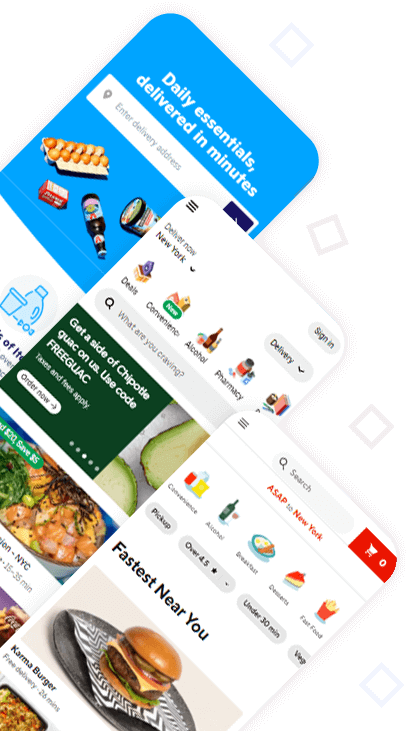
At Foodspark, we offer QSR Data Scraping Services, which allow businesses to collect data about menus, prices, reviews, customer trends and much more. Our accurate and scalable QSR data extraction enables businesses to better analyse competitors, track market trends, and make decisions from collected data. We scrape data from sites like McDonald’s, KFC, Domino’s, and Subway..

QSR Data

Yum Burgerindex_ Deliveroo_ delmonte Discoeat_ eatngage Foodics_ Getfudo Jubilant-Foodworks_ JustEat_ Swiggy_ Symrise_ UrbanPiper-Technology-Private-Limited_ Zomato_

Scrape Quick Service Restaurant Data for Smarter Business Decision-Making

Explore the possibilities to stay competitive and create effective marketing strategies using QSR Data Scraping Services

Competitor Pricing Insights

We offer QSR Data Scraping Services that provide valuable insights into competitor pricing for different quick service restaurant chains, which enables you to extract real-time data, from menu items prices, offers, and combo deals and analyse those to develop an understanding of pricing trends. This offers the potential to leverage areas of price gaps, ultimately enhancing price strategy, improving margins, and subsequently attracting customers. Enhanced data accuracy and structure empower data management and deliver action ability to make real-time, and data supported decisions. Staying highly competitive, flexible and adaptable to ever-changing market demands and customer behaviour shifts. 

Promotional Offers
2_Promotion Duration

Menu Popularity

With QSR Data Scraping Services from Foodspark, businesses can see which menu items remain trending. By pulling together data points that include customer preference, what is ordered the most and what menu items are being talked about, we can provide insights that impact sales in quick service restaurants. While food and beverage products are continually changing in quick service restaurants, the data can optimise menu offerings. This in turn helps emphasise menu items that people are aware of and drive margin through proper menu pricing. Clearly understanding item popularity will strategically assist to better plan inventory, so you have enough available to meet demand, while delivering an improved customer experience and overall business performance.

Competitive Intelligence

Through our QSR Data Scraping Services, businesses can obtain actionable competitive intelligence by monitoring competitors’ menu items, prices, promotions, and customer reviews. By analyzing this information, restaurants can recognize industry trends, benchmark performance, and discover chances to make improvements to the menu. These insights inform more data-driven menu mix, pricing, and marketing decisions and as quick service restaurant groups understand their competitors’ relative strengths and weaknesses they can optimize value and maximize benefit in a highly competitive and dynamic foodservice environment.

3_Discount Amount or Percentage
4_Promotion Planning

Market Research

Foodspark’s QSR Data Scraping Services provide businesses with the opportunity to conduct comprehensive market research in order to develop insights about customer preferences, market food trends, and competition strategies. Collecting and analyzing data on popular items, pricing, promotions, and reviews can help restaurants develop actionable insights and make their business decisions grounded. Understanding the relevant dynamics of the market can help quick-service restaurants optimize menus and introduce trending items. It also helps tailor marketing campaigns with the goal of gaining and retaining customer interest.

Demand Forecasting

Restaurants can leverage the QSR Data Scraping Services powered by Foodspark in order to spot ordering patterns from the past, specific menu items that resonated well with customers, seasonal demand and/or trends, and overall consumer preferences. With this information, a restaurant can begin to develop a sense of future demand, refine ordering and inventory, and timely schedule staff. When a restaurant forecasts what customers will likely order, they contribute to the availability of popular items and effectively stave off stockouts, all while improving the quality of service. Data-driven demand forecasting allows restaurants to improve operational executions, produce maximum sales, and satisfy customers in a competitive environment.

5_Pricing Strategy Insights
4_Promotion Planning

Real-Time Monitoring with QSR Data Scraping

The instant flow of real-time information allows restaurants to act on real-time changes in the marketplace, adjust inventory, revise their take-out menu, and serve their customers better. Access to real-time information and insights will give quick-service restaurants an opportunity to make informed decisions that uphold a competitive advantage, produce repeat customers, and manage the growth of their overall business in a fast-changing environment. The best part is that this continuous flow of actionable data helps restaurants maintain a competitive edge in the industry. This, in turn, strengthens customer loyalty and drives sustained business growth in an ever-evolving marketplace.

Operational Optimization with QSR Data Scraping

For quick service restaurants, efficient operations are essential to ensure the maximization of profit and customer satisfaction. The data provides restaurants with the ability to evaluate and adjust workflows, apply staff scheduling appropriately, manage inventory accurately, and mitigate operational bottlenecks. These meaningful and structured insights will allow quick service restaurants to improve order accuracy, speed of service, and reduce costs.

Essential QSR Insights and Trends

  • Highest Selling Items
  • Pricing Insights
  • Customer Review Feedback
  • Combo Meal Trends
  • Delivery Time Trends
  • Ordering Hours Trends
  • Menu Customisation Trends
  • Seasonal Menu Items
  • Regional Menu Items
  • Promotional Offer Impact
  • Competitor Menu Changes
  • New Product Trends
  • Customer Loyalty Trends
  • Operational Efficiency Indicators
  • Ingredient Availability
  • Nutritional Trends
  • Online Ordering Trends
  • Food Packaging and Presentation
  • Discounts and Loyalty Programs
  • Expanding Trends

Features of Quick Services Restaurant Data Scraping

Promotional Insights

Evaluates the success of special promotions for discounts, bundles, or new marketing initiatives. By evaluating the promotional scorecard, restaurants will derive insights based on the promotional information and be able to refine promotions, engage more customers, and drive higher sales through understanding the motivating factors of the promotion.

Location-Based Insights

Analyzes performance and guest preferences in quick-service restaurants (QSRs) by location or by region. This type of analysis provides QSRs the opportunity to understand where the best locations are located. It also helps refine expansion plans and make adjustments. It also helps adjust menu offerings for optimal tastes and demand behaviours.

Inventory Planning

Uses data-driven insights on demand behaviours and popular menu items. This, in turn, helps maximize the thorough planning of inventory. Managing inventory accurately will ensure menu items are in stock, popular dishes are stocked appropriately, minimizing inventory shrinkage, and maximizing efficiency in operations for quick-service restaurants.

Customer Feedback Analysis

Aggregates and analyzes reviews provided by customers across different platforms. Customers’ preferences, complaints, and satisfaction speak to how and where QSRs improve menu items, service food, and develop the menu for their customers.

Competitor Insights

Collects and analyzes the menus, pricing of menu items, promotional offerings, and new menu item concepts from competitors. Analyzing competitor insights will give restaurants the ability to gauge restaurant performance, leverage opportunities to improve/adjust menus, refine and improve strategies, and win in a fast-evolving quick-service restaurant sector.

Benefits of Food Aggregator Scraping Services

Why Choose Foodspark?

Foodspark is the leading global provider of Quick Service Restaurant (QSR) Data Scraping services, providing reliable insights into menus, pricing, customer preferences, and market trends that inform businesses about data drivers, the competition and their potential to optimise operations to stay one step ahead of their competitors.

Comprehensive-Data-Coverage
Accurate Data Collection

Foodspark works to obtain accurate QSR data across reliable sources. That being said, our scrapers analyse menus and pricing factors. They also analyze feedback from customers to collate reliable reports and enable better business decisions.

Customized-Solutions
Operational Optimisation

Reduce operational delays and improve service quality by researching order patterns, peak times, and delivery efficiencies.

Ethical-Data-Practices
Customisable Outputs

Design the data scraping service to your specific business needs, including formats or regions, ensuring outputs are directly relevant and actionable.

Proven-Track-Record
Ethical Compliance

We responsibly collect QSR data through publicly available sources with confidence, knowing that there are privacy, legal compliance, and transparency issues at play. Foodspark data collection is always accurate and safe to appear credible to your business insights.

QSR Data Scraping Services FAQs

QSR Data Scraping refers to the automated gathering of information from quick service restaurants and includes, but is not limited to, menus, pricing, customer reviews, promotions and operational reporting. Foodspark’s services collect structured data from a variety of sources, allowing businesses to compare competitors, monitor market trends, optimise menus, and ultimately make strategic, data-driven decisions that improve growth and efficiency.

Extracting enterprise-level information from menus and pricing, and customer or overseer behaviours will allow restaurants to enhance menus via projection of demand, or to enhance pricing mechanisms when marketing, also allowing for refined marketing campaigns. This data will be used to deliver insights to enterprises, which will improve and sustain customer satisfaction, reduce costs and waste, sustain competition, and ultimately grant enterprises the ability to make key business and operational decisions in real time with accuracy.

Foodspark scrapes popular quick service restaurant platforms like McDonald’s, KFC, Domino’s, Subway, and other leading service restaurant chains. We take this information by structured data about menu items, pricing, combos, promotions, delivery times, and customer reviews to gain insight into the market and what competitors are doing to inform and support your business strategy.

Yes. Foodspark operates under ethical and legal obligations and gathers data directly from the public domain or with consent. We follow privacy laws and those related to privacy and usability of intellectual property in collecting data, all functioning with communicated transparency, safety, and all without any legal or reputational risk to your enterprise.

Definitely. Foodspark offers customized QSR Data Scraping solutions to match your specific business needs. Foodspark will also deliver the data you scrape in whatever file format you want, as well as regional preferences you may have during the scraping process. Businesses receive valuable data in a structured fashion, which is actionable data, due to the QSR data scraping offered by Foodspark. This ultimately enables the customer to focus on analysis and represent critical strategic decisions needed for operational results.