QSR Menu Trends: Data Analysis of Launches & Outcomes

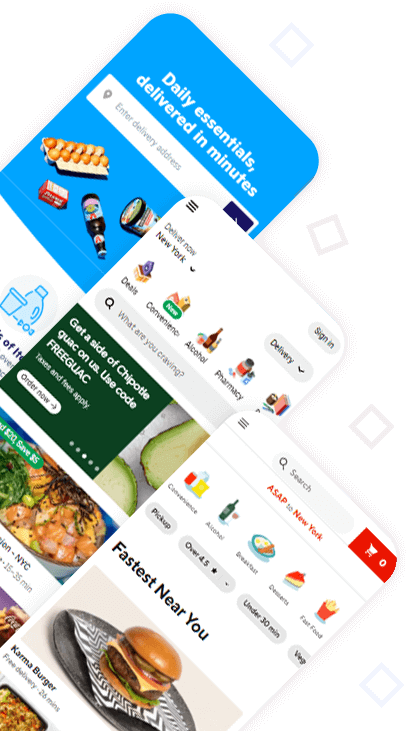
The Quick Service Restaurant industry is undergoing a seismic shift with competition reducing customer footprint and a massive change in consumer preferences. As technology becomes integral to QSR operations, from food preparation to processing, and over 70% of QSR customers now order via mobile or online platforms, adopting a scraping-based data intelligence has become imperative for QSRs.It’s high time that QSRs use tech to their advantage. 

Our scraped data analysis shows some astounding insights into the menu trends, with the demand for plant-based offerings showing a consistent upward trajectory, along with demand for customers’ inclination towards limited-time offers (LTOs), seasonal specials, global flavor infusions, high-protein, and low-carb menu options, and premiumization in the form of affordable gourmet-style items.

Quick service restaurants are woven into the fabric of every American’s daily life, and grabbing a quick breakfast from one of these outlets has almost become a cultural norm. Quick Service Restaurants (QSRs), or popularly known as fast-food restaurants, offer customers affordable snacking options at speed. QSR outlets started in the early 20th century in the United States as a means for the common man to access affordable and convenient meals, and have now grown into a full-fledged global industry.

Quick Service Restaurant

This evolution is primarily driven by the ease they provide in the form of fast service, limited but popular menu items, and the convenience of a quick, tummy-filling bite at an affordable price.

In our endeavor to shed light on what the future holds for QSR players, we have brought together data-driven menu trends in the U.S.A. and success metrics through scraped data from leading quick service restaurants across the United States.

At Foodspark, we scraped data from 20 million menu items across QSR brands in the USA to provide QSR operators, marketers, and consultants with insights to align product launches with consumer expectations.

Different Types of QSR Models

Although it is considered that all quick service restaurants operate in the same way, today various types of QSR models have come up to meet customer needs, improve service, and keep up with new trends. Let’s have a look at the most popular QSR models in the U.S.A.

Traditional QSR

Traditional fast food restaurants are the most common type, which serve quick, ready-to-eat meals like burgers, fries, pizza, and soft drinks. Customers usually order at the counter or drive-thru, and the food is served within minutes. These restaurants (over 200,000+) are known for their speed of service, low prices, and familiar menu items.

Fast-Casual Restaurants

Fast-casual restaurants are a mix of fast food and casual dining, and are considered to deliver better quality food than traditional fast food. Customers can order at the counter, the only difference being that the food is often made fresh and doesn’t use ingredients that are just put together. The U.S.A. has approx. 220,000+ of these QSRs. These places are a bit more expensive, but people like them for their taste and comfort.

Delivery-Only QSRs

Also known as ghost kitchens, these are usually places where only the food is prepared, and don’t have a seating space for customers. Rough statistics point to 200,000+ delivery-only QSRs functional in the U.S.A. Food is usually delivered or can be picked up. These are for home deliveries and are customized to send food quickly to customers’ homes.

Self-Ordering Kiosks

These QSRs that use automated machines to take orders became an instant hit after COVID-19. There are nearly 110,000 self-ordering installations across the U.S.A. They are customer-friendly and have touchscreens or kiosks where customers can choose their food, pay, and get a receipt in under a minute. Some outlets even use robots to cook or serve the food. This makes ordering faster, reduces mistakes, and saves time for both customers and staff.

Rise of Quick Service Restaurants

The QSR or fast food market is expected to reach a staggering revenue of US$211,125.7 million by 2028, and is growing at a pace of 3.9% annually. A whopping 200,000 QSR establishments are competing with each other across the United States, with McDonald’s topping the charts as the largest quick service restaurant chain. It is closest followed by Starbucks, Chick-fil-A, Taco Bell, Wendy’s, and Burger King.

The QSR sector in the United States has been growing at a steady pace, and so is the rise in the number of QSR franchise establishments, with the numbers expected to increase by 10% by the end of 2030, marking a positive future for new entrants. How can QSRs outrun their competition in such a cramped space, where a new QSR is emerging every other day? The answer is simple. It’s about combining speed and affordability with data intelligence!

5 Key Insights from Scraped QSR Menu Data

We have scraped data using advanced web scraping techniques and ethical scraping practices to get data from QSR brand websites, delivery platforms, and mobile apps for this research. This is an attempt to highlight what goes on inside the most innovation-driven industries, the quick service restaurants.

We have analyzed data scraped from covering approximately 15,000 SKUs, spanning 12 menu categories, and tracking offerings across 3,000 unique U.S. locations.

1. McDonald’s leads the QSRs in the U.S.A

We used automated web scraping techniques and parsing libraries to understand that, as of June 2025, McDonald’s remains the most visited QSR in the U.S., leading the charts at 60%, followed by Burger King with 35% footfall. Taco Bell and KFC follow closely at 30% and 28%, respectively.

2. QSR Fans place 15+ Orders Monthly

 Our analytics team dived deep into the ordering patterns of an average user and found that nearly 9.5% of QSR frequenters place more than 15 orders per month. This data reveals a pattern that is good insight into the psyche of the customer, and QSRs can use this data to reward high-frequency customers in the form of loyalty programs and personalized promotions.

3. Most Fast-food Orders come from the 25–45 Age Bracket

Our analysis revealed that customers who order from fast-food chains primarily fall within the 25–45 age bracket. Approximately 56% of McDonald’s lovers fall within the 18–65 age group. This highlights the tilt among fast food consumers towards affordable, convenient, and familiar food options that align perfectly with their busy work schedules.

4. Most fast-food lovers are from the Southern U.S.

Geospatial data is a prime indicator of the demographics of the customer and which regions have a greater inclination to opt for fast food. As expected, the data scraped showed an increased interest (60%) among urban consumers in ordering from QSRs. This category of consumers was those who ordered more than 20 times per month. Southern U.S fast-food lovers stood at 38%, and suburban at just 3%. This highlights the need for QSRs to look beyond just focusing on the quality of menu items and shift towards including region-specific menu items and localized advertising to improve reach and conversion.

5. Seasonal Specials Spark 1.5x More Orders

Limited-Time Offers (LTOs) are a rage, and consumers are quick to embrace them with both hands. Seasonal specials drive noticeable engagement. Mobile app-exclusive releases and social media campaigns boost ordering and show 1.5x more engagement than regular items.

Top-Selling QSR Menu Items

The QSR world is shifting with changing tastes and trends. From favorite menu items to rising interest in healthy, global, and customizable options. Here’s a look at what today’s customers are craving, and which QSR menu items in U.S.A are most liked.

Pizza Tops the Fast-Food Chart

Traditional fast-food options like coffee, burgers, pizza, and snacks have maintained their top spots as popular choices among customers for years on end. In an audience where 38% of the people order coffee and snacks more than once a week, Pizza was the fast food that they ordered the most. Burgers, pizza, chicken, and coffee are unsurprisingly the all-time favorites. But pizza leads the lot and occupies a solid 32% share, while Tex-Mex trails at 4%.  This reemphasises that value-for-money meal options are the preferred choice for customers any day.

Cheese Tops As The Main Ingredient in Most-Sold Items

Budding quick-service restaurants may want to stock up on cheese, which is the most commonly used ingredient, featured in 20% of all QSR menu items. Chicken occupies the second spot, followed by pork. Ingredient is always the hero in any dish, and QSRs use this data to understand what it is that their inventory should never be short of. Plant-based proteins are in fashion and how! Today, almost 50% of new product launches see plant-based proteins on their ingredient list.

Meat & Salad Is The Top QSR Menu Combo

Our analysis also revealed that QSR customers often prefer combos with meat dishes paired with salads, while pasta items are frequently ordered alongside pizza. This combination of data can help QSRs create attractive bundled offers and set meal configurations that mirror real-world consumption behavior.

Potato-based Recipes are Most Loved

Americans’ love for potatoes is renowned.  No wonder potatoes, in the form of French fries, occupy a phenomenal 83% in U.S. QSR menus. This solidifies their position as the most popular and ubiquitous side dish across formats and regions.

Plant-Based Growing in Popularity

Today, an average American is more health-conscious and expects QSR brands to incorporate more health factors into their menu items. Health and well-being are now a priority, as seen from the plant-based and vegan choices marking their presence in the menu.

The global vegan fast‑food market is projected to grow from $18.9 billion in 2023 to $25.1 billion by 2032, and QSRs must now make smart menu decisions using plant-based and vegan options.

Plant-based offerings have increased by 30% over the last three years, as there is a certain hype and inclination during such launches. Additionally, they are seen to drive higher engagement online, show repeat purchase intent, especially when positioned as limited-time offers (LTOs) or aligned with health and sustainability messaging.

Build-Your-Own Meals Gaining Popularity

Customers now want to make their own customized bowls, wraps, and salads. ‘Build-your-own’ options are catching up like wildfire. Such customizable menus add value to the customer’s eating experience.  Case in point being  “Crazy Bowls & Wraps,” which saw a 38% boost in average check value after implementing customization kiosks.

Customers now prefer an authority to have control over what they consume, and what to pair with menus that help them count calories. This is why keto/low-carb options and protein add-ons see 20–25% higher average order values.

Global Flavors Take Over QSR Menus

The American taste buds refuse to be tied down with the tried and tested menus. Global flavor experimentation is what drives Boomers, millennials, and Gen Z alike. Korean BBQ, Mediterranean shawarma, and Mexican street food are appearing across wraps, tacos, and bowls.

How QSR brands can use this Data to Gain A Competitive Edge?

The potential of the enormous data from QSR websites and apps to add economic value to QSR brands has never been examined in the way it is now. The data scraped can unveil diverse aspects of the QSR business, right from demographics and digital behavior intersect, guiding more brilliant menu design, and hyper-local targeting.

Fewer Choices Bring Better Results for QSRs

Our data analysts had a surprising revelation. Contrary to popular belief, innovative menu items do not necessarily attract more consumers; it is the limited and focused menu items that bring higher footfall. This might be due to the faster service turnaround that they get.

Standard Recipes Ensure Quality and Speed

Standardized recipes will never be out of fashion as they are quick on time, affordable, and curb the cravings of the consumer, and hence help show greater brand consistency and customer satisfaction. QSRs must focus on perfecting a standardized recipe to ensure a predictable, high-quality dining experience.

Use Menu Engineering to Maximize Sales

Popeyes Louisiana Kitchen’s chicken sandwich turned into a viral sensation, powered by its simple yet innovative use of common ingredients. Helping the brand draw in $400,000 in added sales per restaurant. QSRs need to understand that sometimes quick and tasty snacks can overpower the most fancy of menu items.

Limited-Time Offers Drive More Orders

U.S. consumers are 91% more likely to visit if a new item is launched. LTOs nearly doubled, and products marketed with urgency or seasonal relevance show 1.5x higher engagement on digital ordering platforms than standard new menu items. The success of LTOs correlates with strong social media presence, influencer partnerships, and mobile app exclusivity.

Conclusion

Engineering more imaginative menus, customizing product launches, and staying responsive to evolving consumer demands requires more than just business acumen.  It needs data-backed insights so that every decision is right the first time.

All the digital data from QSRs can be used for building a future-focused QSR brand that is driven not by popularity but by data-led success guarantee. The QSR industry is witnessing a transformation with speed, flavor, flexibility, and personalization being the buzzwords. By scraping detailed menu data across geographies and brands, businesses gain deep visibility into regional preferences, ingredient trends, price strategies, and seasonal shifts.

Our advanced QSR data scraping services can help you with more data points, insights, and analytics into the regional menu trends, ingredient usage, pricing strategies, and customer preferences.

We offer fully customizable scraping solutions tailored to your specific needs. By accessing ethically scraped real-time data from QSR websites, delivery platforms, mobile apps, and social channels, you can uncover actionable intelligence that drives more innovative product development.