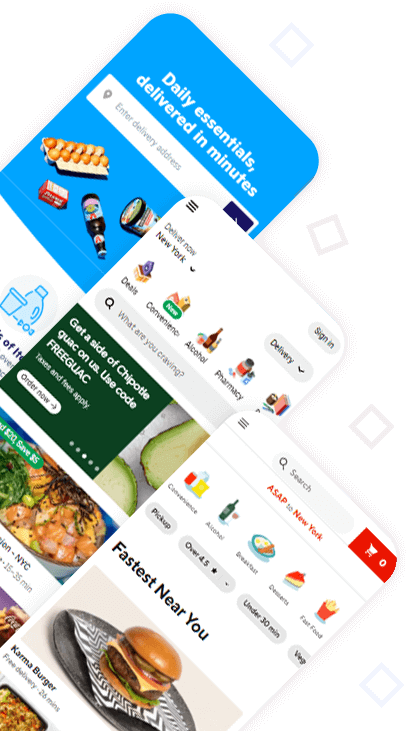
Restaurant Data Intelligence Services

Foodspark is a trusted restaurant data intelligence services provider that provides menu, delivery, and location data for restaurants. It collects raw data from various sources and transforms it into actionable insights for trend analysis. With the focus on scraping accurate data, our organization can develop tailored strategies for any restaurant.

Restaurant Data Intelligence Services

Extract Menu and Pricing From Online Food Delivery Services

Use restaurant data intelligence to understand market trends and create data-driven marketing strategies.

Discover Item Name

By utilizing Restaurant data services, QSRs can extract the food item name to identify popular dishes. It enables online food delivery service providers to conduct trend analysis to know seasonal favorites. Datasets collected from online sites provide support to recommendation systems. The Restaurant data analysis services help in competitive benchmarking and staying ahead in the market. Based on the customer order, it ensures correct food preparation. Item names are beneficial to seamlessly link items to the ingredients used

Competitors Menu Monitoring
Dynamic Pricing Optimization

Collect Menu Pricing Data

Food industry data intelligence empowers online food ordering systems to track competition by comparing competitors’ prices. It unlocks customer insights for understanding their spending habits. Pricing data helps to optimize the menu by adjusting items strategically. By extracting comprehensive pricing data, restaurants can predict future earnings and spot popular cuisines. It empowers restaurants and similar businesses to adjust rates in real time so that they beat competitor pricing. Restaurant data scraping solutions developed targeted marketing strategies and designed targeted promotions.

Discounts & Offers For Promotion

Restaurant discounts and offers data are helpful for food service providers in attracting customers. Businesses associated with the food industry integrate these datasets and drive new orders. It helps in promoting items that highlight new dishes. By using restaurant competitor analysis data, fast food chains can strengthen their market presence through brand awareness creation. Setting the right discount and food offers empowers food aggregators to retain loyal customers. Real-time restaurant data intelligence solutions offered by us are good for businesses to boost revenue quickly.

Ranking and Visibility Monitoring
Promotions & Discounts Benchmarking

Delivery Charges to Compare Prices

QSRs are required to use restaurant data to monitor surge pricing. It is significant in optimizing strategy and adjusting delivery policies. A comprehensive dataset enables businesses to explore the market trends for regional differences. Collecting delivery charges from delivery sites empowers delivery platforms to offer free delivery deals. It empowers fast food restaurants to reduce unnecessary spending on packaging costs. By comparing delivery fees, fast food chains or online food parcel service providers balance margins better.

Detect Stock Availability

Data collected from the competitor site enables food businesses to prevent stockouts and ensure continuous sales flow. It enables food tech startups to track inventory and reduce waste. By managing demand, these startups effectively optimize supply. Suppliers and distributors can keep enough stock to fulfill customer requests and build customer trust. Scraping data from any food delivery service provider provides real-time updates to enable faster decision-making. It helps QSRs reduce costs and smartly avoid overstock.

Customer Sentiment Analysis
Assortment & Menu Intelligence

Identify Cuisine Style

Restaurant Menu data helps you identify the culture in various regions to target the people. This is helpful to focus the market and create strong branding. The dietary insights of restaurants help food delivery businesses know their health positioning. Food industries can personalize menus and provide custom suggestions to customers. Such industries keep recipe standards for consistent taste and help to provide a repeat customer experience. It works as an innovation driver for restaurant managers developing new fusion ideas.

Bundle Item Pricing

By grouping multiple menu items, food and beverage startups can increase sales and boost their revenue. It is used to provide a better deal to customers and improve brand image. Restaurant data collection helps managers promote items and drive awareness. These comprehensive datasets are required to maintain a competitive edge and stand out in the market. By offering bundled pricing, restaurants or food delivery platforms can perform operations with ease and provide faster services to customers.

Valuable Datasets to Extract From Restaurants

The following datasets can be extracted from restaurants:

  •   Restaurant Name
  •   Locations
  •   Reviews
  • Opening hours
  •  Menu Items
  •  Price
  •  Ratings
  •  Contact Details
  •  Photos 


Optimize Delivery Services

Key Benefits of Restaurant Data Intelligence Services

Operational Efficiency

Restaurants can extract data from food delivery platforms to schedule staff and optimize labor costs. This data helps fast food businesses and distributors allocate resources and gain maximum productivity.

Revenue Growth

Restaurant data is good for performing sales analysis to identify top sellers. It drives revenue growth and significantly boosts customer traffic. The data collected from the restaurant provides a market growth opportunity. 

Strategic Decision-Making

By performing market analysis, businesses can spot emerging trends. Insights collected from any competitor’s site empower eateries to innovate their menu and benchmark performance. QSRs consider these datasets to minimize risk.

Sustainability & Compliance

Fast food businesses can monitor energy consumption and lower utility costs by extracting data from competitor websites. It enables QSRs & managers to conduct safety compliance and avoid legal penalties.

Predictive Analytics

Demand forecasting is necessary for food delivery service providers to anticipate customer needs. This is possible with the use of data. Insights scraped from websites disclose customer behaviour to run personalized promotion campaigns.

Benefits of Restaurant Marketplace Intelligence Services

Why Foodspark?

Collect Data in Real-Time

At Foodspark, we provide menu and pricing data in real-time and anticipate market shifts. Our data scraping tool is developed in a way that you will get updated information for your food business.

Comprehensive Analytics

Foodspark restaurant data intelligence services provide comprehensive, actionable insights that provide a clear picture of market trends and help you compare with competitors with no hassle.

Deliver a Scalable Solution

Our custom restaurant data analysis service seamlessly handles growing data. It ensures that you get accurate, comprehensive data at maximum efficiency and speed without putting in manual effort.

Future-Proofing

The organization always adopts the latest tools and technologies to provide the best restaurant data scraping solutions for your business. We ensure you receive the maximum benefit to drive success.

Get Started

Need Restaurant Data for Analytics?

Extract restaurant menus, prices, ratings, and cuisine insights at scale with Foodspark.

Get started Today!
cta-bg

Restaurant Data Intelligence Services - FAQs

Restaurant data intelligence service is an automated process that involves data collection, cleaning, normalizing, and storing. It helps online food delivery service providers gather data from competitors’ sites for research and analysis.

You can scrape comprehensive data such as restaurant name, menu items, price, reviews, rating, and more from restaurants.

It depends on how you use the data. Before you scrape any website, you need to follow its ToS of it and also adhere to regulatory standards for the betterment.

You can collect restaurant data in CSV or JSON. Some other storage options include XML DB, TXT, or the cloud.

It depends on the data source, business needs, technology infrastructure, and data type. Generally, the data scraping frequency ranges from hourly to weekly.

Restaurant data analytics helps you to make accurate decisions, optimize overall business operations, and increase revenue.