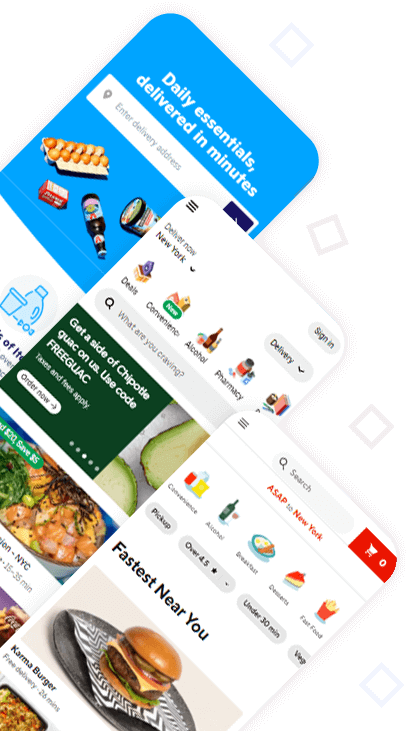
Free vs Paid Food Data APIs: Which Is Right for Your Business? Get The Full Insight
Delivering the Bottom Line: Evaluating the Pros and Cons of DoorDash and Uber Eats for Your Restaurant

In today’s fast-paced world, food delivery services have become essential for restaurants to reach new customers, streamline operations, and boost sales. Among the biggest players in the food delivery space are DoorDash and Uber Eats—both offering expansive networks and large consumer bases. But which is the best platform for your restaurant? Should you rely on DoorDash API or Uber Eats API for deep integrations? Or do you need a scraping service to gather valuable data and insights?

This blog will guide you through the pros and cons of DoorDash vs Uber Eats, focusing on API capabilities and scraping services. If you’re a restaurant owner or an analytics team, understanding these platforms’ offerings, from APIs to data scraping, can help you make better decisions and drive profitability.


Understanding the Key Players: DoorDash vs Uber Eats

When we talk about food delivery platforms, DoorDash and Uber Eats immediately come to mind. Both are household names, especially in the United States, and have reshaped the way restaurants do business. But despite their similarities, there are notable differences between the two platforms that could make one a better fit for your restaurant.

DoorDash is known for its robust network of drivers, vast restaurant coverage, and large consumer base, while Uber Eats leverages its global reach, efficient logistics network, and integration with the popular Uber ride-sharing service.

What Restaurants Need to Know About Both Platforms

  • Commission Fees: One of the most significant factors affecting restaurant profitability on food delivery platforms is commission fees. DoorDash typically charges 15-30% commission depending on your agreement, while Uber Eats is known for 15-30% fees as well, with occasional discounts and promotional rates.

  • Delivery Model: While both platforms offer delivery through third-party drivers, DoorDash also offers a “Drive” model, which allows restaurant owners to manage their own delivery staff.

  • Market Reach: DoorDash is the leading food delivery platform in the U.S., especially in suburban and rural areas. Uber Eats, however, has a more significant presence internationally, particularly in Europe, Asia, and Latin America.

For restaurants, these differences can mean the choice of platform could affect everything from consumer reach to delivery fees. And, of course, the availability of data from these platforms can provide actionable insights into consumer behavior, menu optimization, and competitive pricing.


How API and Data Scraping Services Can Help Restaurants Optimize Operations

Both DoorDash API and Uber Eats API provide an opportunity for restaurants to gain direct access to data, but how can restaurant owners leverage these tools effectively? Also, when the need for real-time data collection arises, scraping services can offer valuable insights beyond what’s available through APIs.

DoorDash API for Restaurants

The DoorDash API allows businesses to integrate directly with DoorDash’s system, enabling seamless updates for order management, delivery tracking, pricing, and customer feedback. For restaurants, this means automating workflows, integrating with POS systems, and retrieving up-to-date data without manual intervention.

Benefits of Using the DoorDash API:

  • Real-time data updates: Monitor pricing, menu changes, and availability instantly.

  • Integration with POS systems: Sync data directly with point-of-sale (POS) systems to reduce errors and streamline order fulfillment.

  • Customer insights: Get detailed customer feedback and review data, which helps in improving the overall customer experience.

By integrating the DoorDash API, restaurants can become more agile in managing menus, optimizing pricing strategies, and improving delivery logistics. For restaurants looking to leverage real-time data, this API is an invaluable tool.

Uber Eats API for Restaurants

Similar to DoorDash, Uber Eats also offers a comprehensive API that allows restaurants to integrate their operations directly with the Uber Eats platform. The Uber Eats API provides access to detailed order data, menu information, and sales performance metrics.

Benefits of Using the Uber Eats API:

  • Seamless integration with your restaurant’s order management and inventory systems.

  • Improved customer experience through access to real-time order tracking and delivery updates.

  • Advanced analytics: Gain insights into customer preferences, popular items, and market trends, helping you make data-driven decisions.

The Uber Eats API provides restaurants with the ability to automate their systems, keep track of customer orders in real-time, and ultimately improve operational efficiency.


Leveraging Data Scraping Services for Competitive Intelligence

While APIs provide excellent access to your restaurant’s direct data, data scraping services offer a more expansive view, especially when it comes to competitors and broader industry trends.

For instance, FoodSpark’s DoorDash scraping service allows restaurants to track competitor menus, pricing, and promotions. By scraping data from DoorDash and Uber Eats, restaurant owners can monitor competitor performance, spot trends, and gain a competitive edge.

How DoorDash Scraping Service Helps Restaurants

  • Competitive pricing: Scrape competitor pricing and menu data to adjust your own pricing.

  • Menu optimization: Track popular dishes, seasonal trends, and customer reviews to adapt your menu offerings.

  • Customer feedback: Scrape reviews and ratings from DoorDash to understand customer satisfaction levels and improve services.

How Uber Eats Scraping Service Helps Restaurants

  • Competitive intelligence: Monitor your competitors’ menus and pricing, helping you stay competitive in the market.

  • Sales forecasting: Use scraped data to forecast demand trends based on consumer behavior and seasonality.

  • Performance benchmarking: Compare your restaurant’s performance against competitors based on customer reviews and delivery efficiency.


Real-Time Data: The Key to Better Restaurant Decisions

In an ever-competitive food industry, real-time data can make the difference between success and failure. Data scraping services like FoodSpark’s DoorDash and Uber Eats scraping services provide restaurants with up-to-the-minute insights on menu prices, delivery times, and customer preferences, enabling faster decision-making and smarter strategies.


Frequently Asked Questions (FAQ)

1. What is the difference between DoorDash API and Uber Eats API?

The DoorDash API offers data on orders, deliveries, and customer feedback, while the Uber Eats API provides similar data with a focus on delivery logistics and customer insights. Both APIs allow restaurants to integrate directly into their systems for better order management.

2. Can FoodSpark scrape DoorDash and Uber Eats data for me?

Yes! FoodSpark offers DoorDash scraping services and Uber Eats scraping services, helping restaurants track competitor menus, pricing, and customer reviews in real time.

3. How can DoorDash and Uber Eats APIs help my restaurant?

By integrating the DoorDash API or Uber Eats API, restaurants can automate operations, track customer orders, and get real-time insights into menu performance, helping improve efficiency and profitability.

4. Is data scraping from DoorDash and Uber Eats legal?

Yes, FoodSpark ensures that all scraping services are fully compliant with data privacy laws and the respective terms of service of platforms like DoorDash and Uber Eats.

5. How can real-time data improve my restaurant’s bottom line?

Real-time data from platforms like DoorDash and Uber Eats can help restaurants adjust pricing, optimize menus, and stay ahead of market trends, leading to increased profitability and better customer experiences.


Conclusion: Making the Right Choice for Your Restaurant

When it comes to food delivery platforms, both DoorDash and Uber Eats have their strengths. Choosing the best platform depends on your restaurant’s goals, the type of data you need, and how you want to integrate that data into your operations.

Whether you decide to use DoorDash API for seamless integration or FoodSpark’s scraping services for comprehensive competitor analysis, the key is to leverage real-time data to stay ahead of the competition. FoodSpark can help you unlock valuable insights through scraping services and API integrations to drive smarter decisions and ultimately, better profitability.

Get Started

Ready to enhance your restaurant’s decisions with real-time food data?

Contact FoodSpark today for DoorDash scraping services, Uber Eats API integration, and much more!

Get started Today!
cta-bg

Explore Our Latest Insights

Free vs Paid Food Data APIs Which One Should You Choose

Free vs Paid Food Data APIs: Which Is Right for Your Business?

Key Benefits of Using Food Data Scraper APIs for Modern Food Businesses

Table of Contents Toggle IntroductionWhat Are Food Data Scraper APIs?How Do Food Businesses Use Data Scraper APIs?Why Are Food Data...

Read more

How Can I Fetch Restaurant Menus Using Google API?

You can fetch restaurant menus using Google Places API (New) by making requests to the Place Details endpoint with the...

Read more