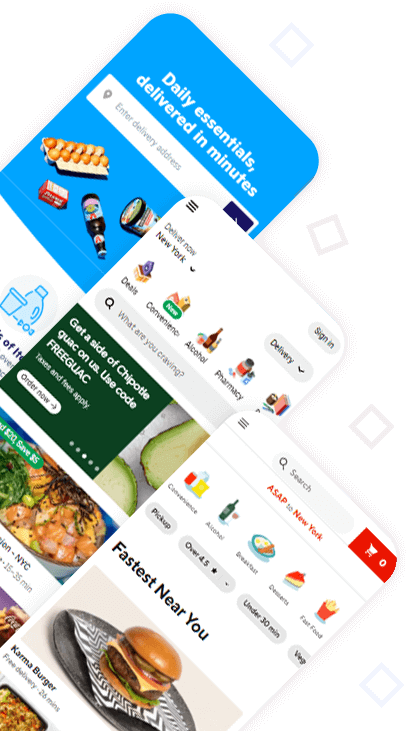
What Is Food Data Scraping and How Does It Work? Get The Full Insight

Top 5 Food Delivery Platform Data Scraping Services in the USA

Top 5 Food Delivery Platform Data Scraping Services in the USA

The U.S. food delivery market posted $26 billion in revenue through 2024. Within that figure sits a continuous stream of pricing decisions, menu modifications, discount activity, and shifting consumer preferences that play out across platforms every hour. Companies without direct access to this data make slower, costlier decisions than those who extract and analyze it on a regular basis.

Food delivery data scraping hands organizations structured, current visibility into what platforms show consumers at any given moment. Competitor price changes, restaurant ranking shifts, and review volume trends move from unknown variables into trackable metrics. That practical shift in information access is why food delivery data scraping services in the USA now appear in the working budgets of restaurant groups, food technology companies, consumer goods brands, and independent research firms throughout the country.

The sections below cover the top 5 food delivery platforms that produce the most actionable scraped data, detail what each platform yields, and outline why purpose built extraction services outperform internal scraping at any meaningful scale.

What Is Food Delivery Platform Data Scraping?

Food delivery platform data scraping means the systematic, automated collection of publicly visible data from platforms such as DoorDash, Uber Eats, Grubhub, Postmates, and Instacart. Records typically pulled include restaurant listings, active menu prices, delivery fees, customer star ratings, and promotional content that any standard user can view without logging in.

Teams across industries use this data for a range of purposes:

  • Competitive pricing analysis within targeted delivery zones
  • Menu benchmarking against nearby competitors and national chains
  • Customer sentiment research through aggregated review data at scale
  • Delivery demand mapping based on zone coverage and frequency signals
  • Food market trend tracking across platform categories and U.S. regions

Top 5 Food Delivery Platforms to Scrape in the USA

1. DoorDash Data Scraping

DoorDash holds close to 67% of U.S. food delivery market share as of 2024. That concentration of market activity produces a data environment no other single platform currently matches for restaurant coverage, geographic spread, or pricing variation across delivery zones. Most food delivery market intelligence USA projects begin with DoorDash for precisely this reason.

What data can you extract from DoorDash?

Data PointBusiness Application
Restaurant listings and ratingsMarket entry research and positioning
Menu items with current pricingCompetitor benchmarking at the item level
Delivery fees and time estimatesLogistics modeling and cost planning
Active promotions and discountsOffer strategy and promotional tracking
Customer reviews and feedbackSentiment analysis and reputation research

Foodspark produces structured DoorDash data scraping output in CSV, JSON, or API formats. Their system navigates JavaScript rendering and platform bot detection without client side involvement, keeping extraction pipelines active for extended periods without manual restarts.

Restaurant operators use DoorDash data to study exactly how competitors price comparable menu items within shared delivery zones. Food technology companies apply identical datasets toward refining recommendation systems and improving search ranking accuracy across their platforms.

2. Uber Eats Data Scraping

Uber Eats runs across more than 6,000 U.S. cities. That geographic footprint makes it among the most useful platforms for organizations that need market data covering multiple metro areas, regional clusters, or ZIP code segments without running separate extraction jobs for each location.

Core data points from Uber Eats scraping:

  • Cuisine categories paired with restaurant classification labels
  • Live menu pricing alongside item-level availability tracking
  • Surge pricing windows and real-time delivery time estimates
  • Sponsored placement visibility and featured restaurant patterns
  • Review scores combined with total rating volume figures

Foodspark handles Uber Eats data extraction through both one time snapshot deliveries and ongoing scheduled feeds. Clients define target geographies before work begins, making it straightforward to monitor pricing conditions across multiple U.S. cities through one unified pipeline.

Uber Eats adjusts its promotional calendar several times throughout the year. Teams that track those adjustments in near real time gain advanced visibility into seasonal demand behavior before the same patterns become apparent to competitors sharing the same market.

3. Grubhub Data Scraping

Grubhub operates across more than 4,000 U.S. cities and carries a notably deep index of independent and locally owned restaurant partners. For research teams focused on regional food delivery market intelligence, Grubhub surfaces granular pricing and demand data that larger national platforms tend to leave underrepresented within their listing structures.

Why does Grubhub data deserve separate attention?

Grubhub indexes a higher proportion of independent restaurants than either DoorDash or Uber Eats. Scraping Grubhub therefore provides analysts with sharper visibility into neighborhood pricing norms, local cuisine demand, and smaller operator positioning that broad platform datasets rarely capture at comparable resolution.

Key data available through Grubhub scraping:

  • Independent restaurant menus with item level pricing
  • Delivery zone boundaries and defined service area parameters
  • Order minimums alongside applicable service fee structures
  • Loyalty and rewards program configurations with active offer types
  • Demand signals segmented by cuisine category and geographic area

Foodspark provides Grubhub data scraping services structured around requirements from market research agencies, franchise development teams, and restaurant technology companies. Every dataset passes through normalization and deduplication prior to delivery, and clients configure refresh schedules according to their own data freshness requirements.

4. Postmates Data Scraping

Uber completed its Postmates acquisition back in 2020, yet the brand continues functioning as a separate entity across several U.S. markets. Postmates spans food, grocery, alcohol, and convenience store categories within a single platform interface. That multi vertical scope makes it a genuinely distinct multi category data source that restaurant focused platforms simply cannot replicate, which is why it holds particular relevance for cross sector demand studies.

What business challenges does Postmates’ data address?

Business Use CaseRequired Data Type
Grocery pricing researchSKU-level product and pricing records
Convenience category studiesInventory and category-level records
Urban delivery logistics planningZone coverage and delivery time data
Cross-category demand researchOrder frequency across product verticals

Foodspark manages Postmates data extraction across every product vertical carried on the platform. Structured output consolidates food and non food delivery data into one clean dataset. That format benefits organizations studying on demand consumption behavior across multiple categories within U.S. urban and suburban markets simultaneously.

5. Instacart Data Scraping

Instacart leads U.S. online grocery delivery and works alongside more than 1,000 national and regional retail partners including Kroger, Costco, Safeway, and Aldi. Product level pricing data from Instacart gives FMCG brands, retail analysts, and grocery intelligence platforms direct, current visibility into how prices differ across competing retailers sharing the same delivery infrastructure.

Most valuable data points from Instacart scraping:

  • SKU level pricing records across multiple retail partner storefronts
  • Live product availability with real-time out-of-stock identification
  • Promotional price events, digital coupon activity, and rollback tracking
  • Category-level demand indicators paired with purchase frequency signals
  • Retailer specific delivery fee structures and available scheduling windows

Foodspark delivers Instacart scraping solutions that monitor price movements across retail partners at the same time rather than in sequence. FMCG brands and retail analytics teams apply this output to study how individual retailers position their pricing differently while operating on the same shared delivery platform.

Instacart prices shift daily because of retailer inventory and promotional cycles. Organizations requiring current pricing accuracy should therefore select daily or real time scraping intervals over weekly batch exports, since batch data regularly arrives outdated relative to actual live platform conditions.

Platform Comparison at a Glance

PlatformPrimary SegmentCore Data StrengthBest Suited For
DoorDashRestaurant deliveryMarket share and pricing depthCompetitive pricing research
Uber EatsRestaurant deliveryGeographic reach across U.S citiesMulti-city market analysis
GrubhubRestaurant deliveryIndependent restaurant coverageLocal and regional market research
PostmatesFood and convenienceMulti-category product dataCross-sector demand studies
InstacartGrocery deliverySKU-level retail pricingFMCG and retail analytics

Why Use a Professional USA Food Delivery Web Scraping Service?

Food delivery platforms invest heavily in protecting their data from automated collection. JavaScript rendering layers, IP rate limiting, rotating CAPTCHA systems, and session based access controls together make sustained in house scraping unreliable for teams working beyond small scale proof of concept stages.

Foodspark addresses each of these technical barriers through infrastructure designed specifically for food platform data extraction. Working with their service gives clients several consistent advantages:

  • Fully managed extraction infrastructure requiring no technical configuration or server maintenance on the client side
  • Pre cleaned, structured datasets delivered in CSV, JSON, Excel, or custom API feed formats
  • Ethical data collection restricted to publicly accessible platform content throughout
  • Flexible delivery schedules ranging from daily batch exports through to real time data streaming
  • Dedicated account support for custom specifications, format adjustments, and project specific edge cases

Foodspark covers all five platforms within a single service engagement. That removes the coordination and cost burden of maintaining separate vendor relationships for each data source independently. Their exclusive concentration on food delivery market intelligence USA gives clients access to domain specific expertise that generalist scraping providers rarely bring to food sector work.

Conclusion

Organizations that work from accurate, current market data consistently make better competitive decisions than those relying on quarterly summaries or internal estimates. Whether the focus is DoorDash competitive pricing, Uber Eats geographic market data, Grubhub local restaurant intelligence, Postmates cross category insights, or Instacart grocery price tracking, both platform selection and extraction quality determine the actual strategic value delivered from the data.

Foodspark brings a focused, scalable approach to food delivery platform data scraping in the USA. Full coverage across all five major delivery platforms, structured data output, and real time extraction capability make them a reliable operational choice for any organization that treats food market intelligence as a core business function rather than a periodic research exercise.

Get Started

Unlock Real-Time Food Delivery Data Across the USA

Access real-time food delivery data across the USA with Foodspark.Extract menus, prices, and insights to drive smarter growth.

Get started Today!
cta-bg

FAQs

1.Why should businesses scrape food delivery platform data in the USA?

Food delivery data scraping allows businesses to track competitor pricing in real time, monitor regional demand patterns, benchmark menu performance across platforms, and develop data driven strategies without depending on delayed reports or market assumptions.

2.Is scraping food delivery platform data lawful in the USA?

Collecting publicly visible platform data is broadly considered lawful under U.S. law. The hiQ Labs v. LinkedIn ruling reinforces this position directly. Accessing login protected or gated content introduces meaningful legal risk and requires dedicated legal review before any extraction activity of that kind begins.

3.How is Foodspark different from other food delivery data scraping services?

Foodspark works exclusively within food and grocery delivery platforms. That focused approach produces cleaner structured output, faster delivery, and stronger platform specific coverage than generalist scraping providers who handle food sector clients alongside entirely unrelated industries.

4.In what formats is the scraped food delivery data delivered?

The delivery of food delivery scraped data is in CSV, JSON, Excel, and custom API feed formats. The format used aligns with each client’s technical environment and the downstream systems where extracted data will actually be applied.

5.Can I get historical food delivery data for trend analysis?

Foodspark maintains historical food delivery datasets that support year over year pricing comparisons, seasonal demand cycle analysis, and longitudinal trend research across all five major U.S. delivery platforms.

Table of Contents