Food Delivery Companies in Saudi Arabia 2026 — HungerStation, Keeta, Jahez & the Uber Deal Get The Full Insight ✕
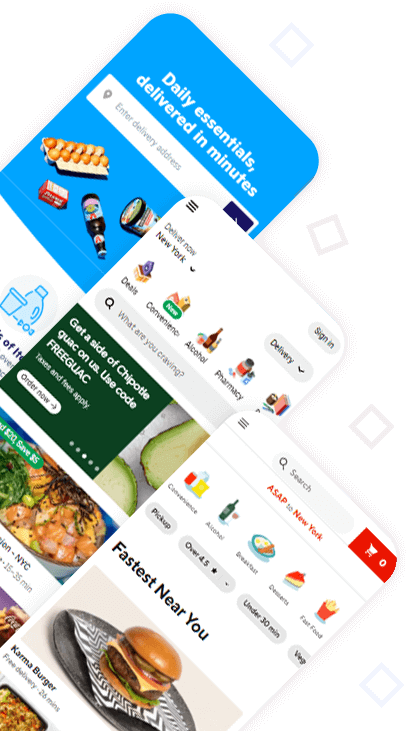
Food Delivery Companies in Australia 2026 — Uber Eats, DoorDash & Life After Menulog

Food Delivery Companies in Australia 2026 — Uber Eats, DoorDash & Life After Menulog

Top Food Delivery Companies in Australia at a Glance

Uber Eats is still the clear leader. According to IBISWorld, Uber and DoorDash together now earn over 90% of the industry’s revenue. In fact, Uber Eats alone has made more than one billion deliveries in Australia. DoorDash, meanwhile, is the fast-growing number two.

CompanyOwnerWhat it doesPosition in 2026
Uber EatsUberRestaurants, Coles groceries, convenienceMarket leader
DoorDashDoorDash Inc.Restaurants, Woolworths, Aldi and CostcoStrong number two
MenulogJust Eat Takeaway.comRestaurant deliveryClosed on November 26, 2025
Woolworths and MilkrunWoolworths GroupOnline groceries and one-hour deliveryGrocery leader, now on DoorDash
ColesColes GroupOnline groceries, plus Uber EatsExclusive partner of Uber Eats
HungryPanda and FantuanPrivate companiesAsian restaurant deliveryNiche players
Why this mattersWhat you get
Two apps now control most restaurant delivery.Live data on prices, fees, and promotions by app.
The big grocers split between the two apps.Store-level grocery prices on Uber Eats and DoorDash.
Couriers now have a legal pay floor.A clear view of how fees change after August 2026.

Explore FoodSpark’s food and grocery data scraping services →

Market Share of Food Delivery Companies in Australia

IBISWorld values Australia’s online food ordering and delivery industry at about A$1.8 billion in revenue for 2025-26. Among the food delivery companies in Australia, Uber holds the largest share, with about A$1.34 billion in revenue. DoorDash then follows with about A$410 million. Since Menulog left, the two leaders now share almost the whole market.

PlatformScalePosition
Uber EatsAbout A$1.34 billion revenue (IBISWorld, 2025-26); 1 billion+ deliveriesNumber one
DoorDashAbout A$410 million in revenue (IBISWorld, 2025-26)Number two
MenulogClosed on November 26, 2025, after about 20 yearsExited
DeliverooEntered administration and left in November 2022Exited
FoodoraLeft Australia in 2018Exited

Demand is also broad. For example, Roy Morgan found over 7 million Australians used meal delivery in a typical three-month period in early 2022. That was 33.4% of people aged 14 and over. However, IBISWorld now describes the market as mature, with slower growth than during the pandemic.

Grocery Delivery Companies in Australia: The Big Switch

Grocery is where the food delivery companies in Australia changed most in 2025. First of all, Woolworths joined DoorDash in December 2025. At the same time, Coles moved to Uber Eats on an exclusive basis. So, the two biggest grocers now sit on rival apps.

PlayerPartner appKey facts
ColesUber Eats (exclusive from December 26, 2025)Up to 17,000 products on Uber Eats
WoolworthsDoorDash (from December 2025)Metro stores across more than 500 suburbs
Milkrun (Woolworths)Delivered via UberOne-hour grocery delivery in Sydney and Melbourne
AldiDoorDashTrialled in Canberra, then rolled out nationally
CostcoDoorDashGroceries and household essentials

Quick commerce is still growing, too. According to SmartCompany, Australia’s quick-commerce grocery market could reach about A$2.56 billion by 2030.

Three Forces Reshaping Food Delivery Companies in Australia

A near duopoly. Australia has lost three delivery apps in seven years. Foodora left in 2018, and Deliveroo followed in November 2022. Then Menulog closed on November 26, 2025. As a result, Uber Eats and DoorDash now face little direct competition. Some analysts therefore warn this could lead to higher fees over time.

The grocery split. Grocery, meanwhile, is now a two-camp market. On one side, Coles sells only through Uber Eats; on the other, Woolworths, Aldi and Costco work with DoorDash. Therefore, grocery prices and ranges now differ sharply between the two apps.

A pay floor for couriers. From August 17, 2026, Fair Work Commission standards set minimum pay for about 250,000 food and grocery couriers. For example, e-bike riders get at least $31.30 per engaged hour. Car drivers, by contrast, get at least $32.00. In addition, the rules add accident insurance and pay for waiting time at restaurants.

1. Uber Eats: The Market Leader

Uber Eats leads the food delivery companies in Australia by revenue and reach. It arrived about a decade ago. Since then, it has made more than one billion deliveries nationwide. IBISWorld also estimates its revenue at about A$1.34 billion in 2025-26.

However, its biggest recent win came in grocery. Coles moved to Uber Eats exclusively from December 26, 2025, with up to 17,000 products. In addition, Uber One members get extra perks on Coles orders. Uber drivers also deliver orders for Woolworths’ Milkrun service, even though Woolworths now lists on DoorDash.

Data extractable from Uber Eats: restaurant menus, prices, delivery and service fees, delivery times, ratings, promotions and Coles grocery products. FoodSpark’s Uber Eats API covers structured extraction from Uber Eats.

2. DoorDash: The Fast-Growing Number Two

DoorDash launched in Melbourne on September 4, 2019. In fact, it was the company’s first market outside North America. Since then, it has grown into Australia’s clear number two. In 2025-26, it earned about A$410 million, according to IBISWorld.

DoorDash has also built the widest grocery line-up. In December 2025, Woolworths joined the app, with Metro stores across more than 500 suburbs. Aldi and Costco are also on DoorDash. Globally, DoorDash now also owns Deliveroo, although Deliveroo itself left Australia in 2022.

Data extractable from DoorDash: restaurant menus, prices, fees, DashPass offers, delivery times and Woolworths, Aldi and Costco grocery products. FoodSpark’s DoorDash API covers structured extraction from DoorDash.

3. Menulog: The Exit That Changed the Market

Menulog started in Sydney in 2006 and later became part of Just Eat Takeaway.com. For years, it was one of Australia’s best-known delivery brands. However, on November 12, 2025, its owner announced it would close. The app then shut down on November 26, 2025, affecting about 120 staff.

The owner cited tough market conditions as well as a focus on other markets. Consequently, restaurants that relied on Menulog had to move to Uber Eats, DoorDash, or their own ordering channels.

Data insight from Menulog’s exit: historical Menulog listings help show where restaurants moved after November 2025. So, comparing restaurant counts on Uber Eats and DoorDash before and after the closure shows who won Menulog’s partners.

4. Woolworths and Milkrun: Grocery on Two Fronts

Woolworths is Australia’s largest supermarket chain, and it runs its own online shop. In addition, it owns Milkrun, a one-hour grocery delivery service. Initially, Milkrun began as a start-up in Sydney in 2021. After it closed in April 2023, Woolworths bought the brand and merged it with its Metro60 service.

Today, Milkrun delivers from Woolworths stores in Sydney and Melbourne, while Uber drivers handle the trips. In November 2024, it also absorbed the Jimmy Brings liquor delivery service. Then, in December 2025, Woolworths added its stores to DoorDash as well.

Data extractable from Woolworths and Milkrun: grocery prices, specials, stock status, and delivery windows by suburb. See FoodSpark’s grocery data scraping service for store-level grocery data.

5. Coles: All In on Uber Eats

Coles runs its own online grocery service for delivery and click-and-collect. However, its biggest recent move was on third-party apps. It left DoorDash and moved to Uber Eats exclusively from December 26, 2025. At the same time, it grew its range on the app by 50%, to up to 17,000 items.

Data extractable from Coles: grocery prices, specials, and stock on both Coles Online and Uber Eats. See FoodSpark’s grocery data scraping service for more.

6. HungryPanda and Fantuan: Asian Food Specialists

Asian-focused apps fill a gap that the big platforms leave open. For instance, HungryPanda and Fantuan both serve Chinese and other Asian restaurants in Australia’s big cities. Their apps also cater to Chinese-speaking customers.

Fantuan, for example, started in Canada in 2014 and now operates in Australia, too. It is also often described as North America’s largest Asian food delivery platform.

Data extractable from HungryPanda and Fantuan: Asian restaurant menus, prices, delivery fees, and promotions in major cities. No dedicated FoodSpark guide exists for these apps yet; see FoodSpark’s Australia food data API for extraction across Australian platforms.

Why Data Matters for Food Delivery Companies in Australia

The market has changed more in one year than in the previous five. For instance, Menulog closed, the big grocers switched apps, and couriers gained a pay floor. The food delivery companies in Australia now also face less competition. So, fees and promotions may shift as the two leaders adjust.

A report written today can therefore go out of date within months. That is where continuous, structured data helps. For example, you can track delivery and service fees on Uber Eats and DoorDash each week. You can also compare Coles prices on Uber Eats with Woolworths prices on DoorDash. Likewise, you can spot fee changes after the new pay rules began.

City-by-City Coverage of Food Delivery Companies in Australia

Coverage differs between the food delivery companies in Australia, as this table shows.

CityCoverage
SydneyUber Eats, DoorDash, Milkrun and Asian specialist apps all compete here
MelbourneDoorDash’s first Australian city (2019); Milkrun also delivers here
BrisbaneCovered by both Uber Eats and DoorDash
PerthCovered by both Uber Eats and DoorDash
AdelaideCovered by both Uber Eats and DoorDash
CanberraWhere Aldi first trialled DoorDash delivery
Regional townsCoverage is thinner, and Menulog’s exit left gaps

Sydney Deep Dive

FactorDetail
CompetitionUber Eats and DoorDash, plus Milkrun, HungryPanda and Fantuan
GroceryColes on Uber Eats; Woolworths on DoorDash; Milkrun for one-hour delivery
HistoryMenulog started here in 2006 and closed in 2025
Courier payNew minimums apply from August 17, 2026

Melbourne matters for DoorDash, because the company launched there in September 2019. Milkrun also delivers across the city.

Brisbane, Perth and Adelaide are two-app markets. So, they are useful places to compare Uber Eats and DoorDash head-to-head.

Canberra was Aldi’s test market for DoorDash delivery. As a result, it shows how grocery trials roll out before going national.

Regional towns, by contrast, often had Menulog as a third option. Now, restaurants there depend even more on Uber Eats and DoorDash.

What Data Can You Extract From Food Delivery Companies in Australia?

Here is the data you can extract from food delivery companies in Australia, and why it matters.

Data fieldWhat it showsWhy it matters in Australia
Suburb and postcodeCoverage, fees and delivery times by areaGrocery and one-hour delivery vary by suburb
Menu items and pricesLive prices, combos and add-onsPrices usually include 10% GST
Delivery and service feesFee per order, small-order fees and minimumsFees may shift after Menulog’s exit and new pay rules
Membership offersDeals for Uber One and DashPass membersMembers get extra grocery perks
Grocery productsPrices, specials and stock by storeColes and Woolworths now sit on rival apps
PromotionsDiscounts, free delivery and bundle dealsShows how hard each app competes
Ratings and reviewsRatings and review countsUseful when restaurants compare apps
Restaurant listingsWhich app each restaurant usesShows where Menulog’s partners moved

Use Cases for Australia Food Delivery Data

  1. Compare fees across apps. First of all, price the same order on Uber Eats and DoorDash. Then see which app charges more after fees and offers.
  2. Track grocery prices. For example, compare Coles on Uber Eats with Woolworths on DoorDash. This shows which grocer offers better value through apps.
  3. Measure the Menulog effect. Count restaurants on each app before and after November 2025. As a result, you can see who won Menulog’s partners.
  4. Watch fees after the pay floor. For instance, track delivery fees before and after August 17, 2026.
  5. Benchmark memberships. Compare Uber One and DashPass perks on grocery and restaurant orders, too.
  6. Feed AI and forecasting tools. Use structured, current data instead of static reports that go stale quickly.

Trends Shaping Food Delivery Companies in Australia

These six trends will shape the food delivery companies in Australia over the next year.

  1. Life with two apps. With Menulog gone, Uber Eats and DoorDash face little direct rivalry. So, watch whether fees and commissions rise.
  2. The grocery battle. Coles backs Uber Eats, while Woolworths, Aldi and Costco back DoorDash. Therefore, grocery could decide which app grows faster.
  3. Courier pay. The new Fair Work standards began on August 17, 2026. Meanwhile, apps may pass some of the extra cost on through fees.
  4. One-hour grocery. Milkrun and app partnerships make fast grocery delivery normal. As a result, grocers may push further into quick commerce.
  5. New entrants. Menulog’s exit leaves room for a third player. However, past exits show how hard it is to compete with the leaders.
  6. Asian specialists. HungryPanda and Fantuan serve fast-growing communities. Still, they must compete with the big apps for restaurants.

FAQs About Food Delivery Companies in Australia

Here are quick answers to the questions people ask most about food delivery companies in Australia.

Which are the top food delivery companies in Australia in 2026?

The top food delivery companies in Australia are Uber Eats and DoorDash. In addition, Woolworths, Coles, and Asian specialists such as HungryPanda and Fantuan play smaller roles.

Did Menulog close in Australia?

Yes. Menulog shut down on November 26, 2025, after about 20 years. Its owner, Just Eat Takeaway.com, cited tough market conditions.

Is Deliveroo still in Australia?

No. Deliveroo entered voluntary administration and then left Australia in November 2022.

Which delivery apps deliver groceries in Australia?

Uber Eats delivers Coles groceries, while DoorDash delivers from Woolworths, Aldi and Costco. In addition, Woolworths runs Milkrun for one-hour delivery in Sydney and Melbourne.

How much are food delivery couriers paid in Australia?

From August 17, 2026, couriers get at least $31.30 per engaged hour on e-bikes. For cars, however, the minimum is $32.00 per engaged hour.

Can you extract data from food delivery companies in Australia?

Yes. FoodSpark extracts menus, prices, fees, grocery products, and coverage by suburb. It also covers Uber Eats, DoorDash, and grocery sites.

Final Thoughts on Food Delivery Companies in Australia

Uber Eats still leads Australia’s delivery market today. Even so, DoorDash has become a strong number two. Meanwhile, Menulog’s exit has left the two apps with most of the market. On top of that, the grocery split and the new courier pay floor add even more change.

Several questions remain open. Will fees rise with less competition? Which app will win the grocery battle? And will a new player try to fill Menulog’s gap?

Whatever happens, the food delivery companies in Australia will keep changing fast. So, whether you compare fees across apps or track grocery prices, you need current data. FoodSpark’s food and grocery data scraping services and Australia food data API give you that data. Instead of a stale snapshot, you get structured, current information.

See also: Food Delivery Companies in the USA, in the UK, in India, in Japan, and in the UAE.

Table of Contents

Need Custom Food Data?
  • Custom Food Data Solutions
  • Choose Platforms, Fields, Formats
  • Flexible Data Delivery Formats

Food Delivery Companies in Australia 2026 — Uber Eats, DoorDash & Life After Menulog

Food Delivery Companies in Australia 2026 — Uber Eats, DoorDash & Life After Menulog

Table of Contents

Explore Our Latest Insights