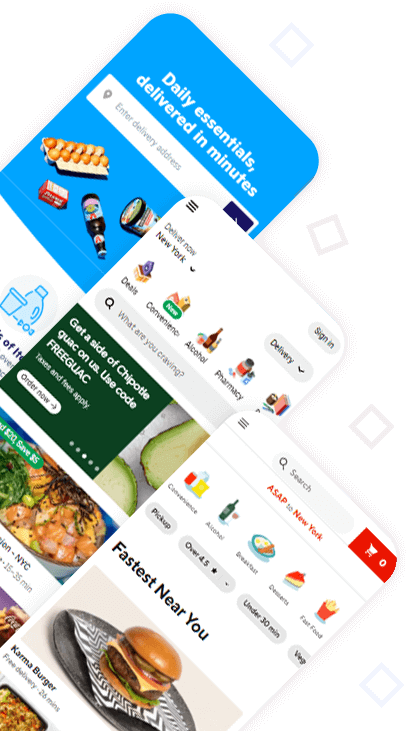
How to Scrape Zomato Data Complete Guide to Extracting Restaurant & Item Details Get The Full Insight

Food Delivery Companies in the UAE 2026 — Top Apps in Dubai, Sharjah & Abu Dhabi

Food Delivery Companies in UAE 2026 — Top Apps in Dubai, Sharjah & Abu Dhabi

The United Arab Emirates has quietly become one of the world’s most competitive food delivery markets. In 2026, the UAE online food delivery market is valued at USD 10.86 billion and is projected to grow to USD 22.19 billion by 2034, driven by a 9.34% compound annual growth rate that consistently outpaces every other GCC country. More than 70% of UAE consumers now prefer food delivery over traditional dine-in experiences, and UAE residents spend more per digital food order than any other market in the Middle East.

What makes the UAE market uniquely complex and uniquely data-rich is its demographic and cultural composition. With 89% of the population being non-nationals, the UAE serves a layered food demand spanning South Asian, Arab, Western, East Asian, and African cuisine preferences simultaneously. Add halal certification requirements, VAT-inclusive pricing, Ramadan demand surges of 40-60%, Arabic and English bilingual menu requirements, and a regulatory environment that differs by emirate and you have a food delivery market unlike anywhere else on the planet.

This guide serves two audiences. For consumers: it covers the best food delivery app in Dubai, the top food delivery app in Sharjah, and which apps work in Abu Dhabi, Ajman, Ras Al Khaimah, and Fujairah with a city-by-city breakdown no other guide provides. For B2B teams restaurant chains, FMCG brands, cloud kitchen operators, investors, and market research firms: it covers what structured data is available from each UAE platform, what B2B intelligence use cases that data serves, and how to access it at scale.

Analysing the UAE food delivery market?

FoodSpark delivers structured food data scraping from Talabat, Deliveroo, Careem, InstaShop and all major UAE platforms restaurant listings, menus, pricing (AED + VAT), halal flags, and grocery SKUs.

Get Free Sample Data

UAE Food Delivery Market Share 2026 — Who Dominates?

Three years of intense competition have produced a clear hierarchy in the UAE food delivery market. Talabat dominates. Deliveroo holds a premium position. A fast-growing middle tier: Careem Food, Noon Food, and Zomato UAE compete for specific audiences, dining preferences, and price segments. Meanwhile, a separate grocery delivery vertical is maturing rapidly, led by InstaShop, Talabat Mart dark stores, and Amazon.ae Fresh.

PlatformEst. Market ShareFoundedCoverageKey UAE Strength
Talabat~45%2004All 7 emiratesLargest UAE restaurant network, Talabat Mart, Talabat Pro
Deliveroo~20%2015 (UAE)Dubai, AD, SharjahPremium dining, AI routing, 25-28 min avg delivery
Careem Food~15%2012 (UAE)Dubai, AD, Sharjah, Al AinSuper-app integration, Careem Rewards cross-apply
Noon Food~8%2021Dubai + expandingZero delivery fee campaigns, Noon Pay cashback
Zomato UAE~5%2012 (UAE)Dubai, AD, SharjahRestaurant discovery + delivery, bilingual reviews
InstaShop2015Dubai, AD, Sharjah, RAK#1 UAE grocery delivery, 30-min from supermarkets
EatEasyUAE-localDubai, AD, SharjahBest for independent/local restaurants not on Talabat
KibsonsUAEDubai, AD, SharjahOrganic produce, farm-to-door, subscription boxes

Two distinct verticals define the UAE food delivery market in 2026, and they require different approaches for data buyers:

Restaurant delivery — Talabat, Deliveroo, Careem Food, Noon Food, and Zomato UAE compete for restaurant ordering across UAE’s 7 emirates. Data yields per platform: restaurant names (Arabic + English), addresses by district, cuisine type, aggregate ratings, bilingual review text, menu items, dish pricing in AED (VAT-inclusive), delivery fees, halal certification flags, promotional offers, and operating hours including Ramadan schedule changes.

Grocery and quick commerce — InstaShop, Talabat Mart, Kibsons, and Amazon.ae Fresh compete for household goods, fresh produce, and convenience items. UAE-specific grocery data fields include VAT-inclusive pricing on all product listings, halal and organic certification tags, Arabic product descriptions, and Ramadan promotional pricing that runs 4-6 weeks annually. FoodSpark’s grocery data scraping service delivers this structured grocery data from all major UAE grocery platforms.

List of Food Delivery Companies in UAE — Top 10 Full Profiles

Here is the complete list of food delivery companies in the UAE in 2026 covering each company’s founding, coverage, business model, UAE-specific features, and, uniquely, the structured data extractable from each platform and how B2B teams use it.

1. Talabat — UAE’s #1 Food Delivery App (~45% Market Share)

Talabat is the undisputed market leader in UAE food delivery. Founded in Kuwait in 2004 and now headquartered in Dubai, Talabat holds approximately 45% of the UAE food delivery market by order volume, a dominant position built on the widest restaurant network (15,000+ partners across the UAE), consistent service reliability, and a multi-vertical strategy that extends well beyond restaurant delivery.

In 2026, Talabat invested USD 100 million+ into its Talabat Pro subscription program and Talabat Mart dark store network delivering groceries, pharmacy items, and household goods in under 20 minutes from strategically placed micro-warehouses across Dubai, Abu Dhabi, and Sharjah. The platform operates in all 7 emirates, the only delivery app with genuine national coverage, and supports both Arabic and English interfaces with bilingual restaurant and menu listings.

Talabat’s 28% GMV growth at constant currency in 2025 signals continued momentum despite increasingly aggressive competition from Noon Food and Deliveroo. Its Ramadan promotional programme exclusive Iftar and Suhoor bundles, extended operating hours, prayer time delivery pauses, and Ramadan-specific restaurant onboarding makes it the dominant platform during the UAE’s highest food delivery demand period.

Data extractable from Talabat: restaurant names (Arabic + English), full address by emirate and district, cuisine type, aggregate rating, review count, full review text (both languages), menu items, dish pricing (AED, VAT-inclusive), Talabat Mart grocery SKUs, delivery fee by zone, halal certification flags, promotional offers, Talabat Pro eligibility, and operating hours including Ramadan schedule. FoodSpark’s food delivery scraping service extracts all Talabat fields at any geographic scope from a single Dubai neighbourhood to all 7 emirates.

2. Deliveroo UAE — Premium Fine Dining Delivery

Deliveroo entered the UAE in 2015 with a deliberate premium positioning strategy that it has maintained through 2026. Rather than competing with Talabat on breadth and restaurant count, Deliveroo has built its UAE presence around exclusive partnerships with upscale and international restaurant brands, gourmet restaurants in Downtown Dubai, premium cafes in Jumeirah, fine dining establishments in DIFC, Marina, and Saadiyat Island Abu Dhabi.

Deliveroo’s AI-powered logistics system anticipates demand surges and optimises rider routing to maintain an average delivery time of 25-28 minutes faster than most UAE competitors at the premium tier. Deliveroo Plus, its subscription service, offers unlimited free delivery on qualifying orders. The platform operates in Dubai, Abu Dhabi, and Sharjah; it has no presence in the Northern Emirates.

For B2B data buyers, Deliveroo UAE’s most valuable data is its premium restaurant pricing data: dishes priced at AED 80-300+ with detailed menu descriptions, portion information, and high-quality food photography metadata. This is the platform food consultants and hospitality groups use to benchmark upscale dining delivery pricing across Dubai’s premium districts.

Data extractable from Deliveroo: restaurant name, cuisine type, rating, review count, premium dish pricing (AED, VAT-inclusive), menu descriptions, delivery fee, estimated time, operating hours, and Deliveroo Plus eligibility flags. FoodSpark’s restaurant menu data scraping service extracts Deliveroo UAE menu and pricing data scoped to any Dubai district or Abu Dhabi area.

3. Careem Food — Super App Food Delivery

Careem acquired by Uber in 2019 for USD 3.1 billion operates as the Middle East’s leading super app, integrating ride-hailing, food delivery, grocery, payments, and bike rentals under a single platform. Careem Food, its food delivery vertical, benefits from Careem’s enormous existing user base and Careem Rewards loyalty programme that cross-applies points across all Careem services, a competitive advantage no standalone food delivery app can replicate.

Careem Food covers Dubai, Abu Dhabi, Sharjah, Al Ain, and select other UAE locations. It partners with a mix of international chains and local restaurants, with a restaurant network significantly smaller than Talabat but growing. Careem Pay integration allows seamless payment from the Careem wallet, and its corporate accounts programme serves companies managing employee food allowances and team meal ordering.

Data extractable from Careem Food: restaurant listings by emirate and area, menu items, pricing (AED, VAT-inclusive), delivery zones, ratings, and promotional offers. Careem’s restaurant data is valuable for market researchers tracking corporate and business dining patterns in Dubai’s financial and commercial districts.

4. Noon Food — Aggressive Discount-Led Growth

Noon Food operates under the Noon.com e-commerce ecosystem the UAE’s largest homegrown digital commerce platform backed by Saudi Arabia’s Public Investment Fund. Launched with an aggressive zero-delivery-fee strategy, Noon Food has captured significant market share among price-sensitive UAE consumers who prioritise savings over restaurant variety.

Noon’s integration of food delivery with its broader e-commerce platform creates cross-category promotional opportunities bundling food delivery discounts with electronics, fashion, and grocery purchases through Noon Pay cashback. The platform primarily covers Dubai and is expanding into Sharjah and Abu Dhabi in 2026. Its restaurant network is smaller than Talabat but growing rapidly through aggressive restaurant onboarding incentives.

Data extractable from Noon Food: restaurant listings, menu pricing (AED), active promotional campaigns, delivery fee structures, and partnership offers. Noon Food’s promotional data is particularly valuable for competitive pricing intelligence its zero-fee campaign periods shift consumer ordering patterns across the entire UAE market.

5. Zomato UAE — Restaurant Discovery and Delivery

Zomato entered the UAE as a restaurant discovery and review platform before adding delivery capability, giving it a unique dual-function positioning: the largest UAE restaurant review database combined with food ordering. In 2026, Zomato operates in Dubai, Abu Dhabi, and Sharjah for both discovery (browsing menus, reading reviews, checking ratings) and delivery.

Zomato’s review database spanning Arabic and English language reviews from UAE’s multicultural population is one of the richest sources of bilingual restaurant sentiment data in the Middle East. For data teams running NLP and sentiment analysis on UAE food service, Zomato’s bilingual review corpus is a unique asset.

Data extractable from Zomato UAE: restaurant profiles, cuisine types, aggregate ratings, review counts, full review text (Arabic + English), menu items, pricing (AED), delivery availability, and operating hours. FoodSpark’s food data api delivers structured Zomato UAE data including bilingual review content at any scale.

6. InstaShop — UAE’s Leading Grocery Delivery App

InstaShop is the UAE’s most widely used grocery delivery platform, partnering with Carrefour, Spinneys, Waitrose, LuLu Hypermarket, Al Maya, ZOOM convenience stores, pharmacies, and specialty food retailers for 30-minute delivery across Dubai, Abu Dhabi, Sharjah, and Ras Al Khaimah. Acquired by Delivery Hero (Talabat’s parent company) in 2021, InstaShop continues to operate as an independent brand with its own distinct user experience.

InstaShop is particularly important for the FMCG and CPG market in UAE because it aggregates pricing and availability data from multiple supermarket chains in a single interface, making it the fastest way to compare retail food pricing across UAE’s major grocery chains. For brands tracking MAP compliance, promotional pricing windows, and competitive SKU positioning across UAE retail, InstaShop is the primary data source.

Data extractable from InstaShop: grocery SKU names (Arabic + English), brand, barcode, current AED price (VAT-inclusive), was-price, promotional pricing, halal and organic certifications, stock availability by delivery zone, product images, and nutritional information. FoodSpark’s grocery data api and grocery data scraping services deliver structured InstaShop product data on configurable refresh schedules.

7. EatEasy — Local Restaurants Not on Major Platforms

EatEasy occupies a valuable niche in the UAE food delivery market for independent and local restaurants that do not list on Talabat or Deliveroo. This includes neighbourhood shawarma spots, local biryani houses, Emirati cuisine specialists, and small ethnic restaurants serving the UAE’s large South Asian and South-East Asian communities. EatEasy covers Dubai, Abu Dhabi, Sharjah, and Ajman, with a reputation for strong local restaurant relationships.

EatEasy also features a ‘Good Morning Mode’ for silent 5-9 am delivery notifications via app message rather than calls, making it popular for early morning orders, particularly pre-sunrise during Ramadan. Cash on delivery, credit card, and COD are all accepted. For data buyers interested in the independent restaurant segment of the UAE’s food market, EatEasy holds data not available on any other platform.

8. Kibsons — Organic and Fresh Produce Delivery

Kibsons is a UAE specialist in organic produce, fresh vegetables and fruits, dairy, eggs, health foods, and meal kits operating on a subscription box model rather than on-demand delivery. Covering Dubai, Abu Dhabi, and Sharjah, Kibsons positions itself at the intersection of food delivery and health-conscious grocery shopping, sourcing from UAE farms where possible and importing certified organic produce for the rest.

Data extractable from Kibsons: organic product SKUs, pricing (AED, VAT-inclusive), organic certifications, halal flags, product availability, subscription box contents by plan type, and seasonal product changes. For UAE FMCG brands in the health food and organic category, Kibsons pricing data provides a competitive intelligence baseline.

9. Amazon.ae Fresh — Prime-Exclusive Grocery in UAE

Amazon.ae Fresh is available exclusively to Amazon Prime UAE members, covering major Dubai areas and parts of Abu Dhabi. The service combines Amazon’s own grocery range with premium supermarket products for same-day delivery on orders above AED 100. Amazon’s algorithmic pricing means AED prices on Amazon.ae Fresh can shift multiple times daily, creating a high-frequency data monitoring need for FMCG brands tracking their competitive shelf position.

Data extractable from Amazon.ae Fresh: SKU names (Arabic + English), brand, ASIN, current AED price (VAT-inclusive), was-price, promotional pricing, Prime member pricing, stock availability by delivery area, product images, and nutritional information.

10. Kitopi and UAE Cloud Kitchen Operators

Kitopi is not a consumer-facing food delivery app; it is a UAE-born, tech-powered multi-brand cloud kitchen company that manages multiple virtual restaurant brands from shared kitchen facilities across UAE, Saudi Arabia, and beyond. Founded in Dubai in 2018, Kitopi uses its proprietary Smart Kitchen Operating System (SKOS) to operate 200+ virtual restaurant brands simultaneously from its network of cloud kitchens.

Kitopi’s virtual brands appear as individual restaurant listings on Talabat, Deliveroo, and Careem, making cloud kitchen data tracking a meaningful intelligence need for the food industry. Identifying which Talabat listings are cloud kitchen brands versus physical restaurants, tracking virtual brand launch activity by emirate, and monitoring menu performance across Kitopi-operated concepts are all data workflows that require UAE platform-level extraction.

Data angle: cloud kitchen brand tracking, virtual restaurant listing monitoring, menu performance data across Talabat and Deliveroo, and geographic expansion tracking by emirate. UAE food delivery platforms are primarily mobile-first apps with JavaScript-rendered content requiring real-browser rendering for complete menu and pricing extraction. FoodSpark’s mobile app data scraping service handles this extraction infrastructure.

Best Food Delivery App in Dubai, Sharjah & Abu Dhabi — City-by-City Guide

Every blog listing UAE food delivery apps covers the same four platforms. None of them answer the question most consumers actually search: which app works in my emirate? Here is the definitive 2026 coverage guide emirate by emirate.

AppDubaiAbu DhabiSharjahAjmanRAKFujairahAl AinCOD
Talabat
Deliveroo
Careem Food~
Noon Food~
Zomato UAE
InstaShop
EatEasy
Kibsons
Amazon.ae Fresh~

Notes: ✓ = confirmed coverage   ~ = limited or expanding   ✗ = not currently available   COD = cash on delivery accepted

Best Food Delivery App in Dubai 2026

Dubai is the most competitive food delivery market in the UAE; all major platforms operate here, delivery times are shortest (20-35 minutes in most zones), and restaurant variety is the widest. The best food delivery app in Dubai depends entirely on what you’re ordering and where you are.

If you want…Best app in DubaiWhy
Widest restaurant varietyTalabat15,000+ UAE restaurant partners, every cuisine
Premium / fine diningDeliverooDIFC, Downtown, JBR, Jumeirah — curated premium brands
Best deals and discountsNoon FoodZero delivery fee campaigns, Noon Pay cashback
Super-app convenienceCareem FoodRides + food + payments in one app, Careem Rewards
Restaurant discovery + deliveryZomato UAELargest UAE review database + order capability
Local/independent restaurantsEatEasyNon-chain restaurants not listed on major aggregators
Grocery deliveryInstaShopCarrefour, Spinneys, Waitrose — 30-min delivery
Organic and fresh produceKibsonsFarm-to-door, organic boxes, weekly subscriptions

FoodSpark’s food delivery scraping service extracts structured restaurant and menu data from all Dubai-based food delivery platforms scoped by district (Downtown, DIFC, JBR, Palm Jumeirah, Deira, Bur Dubai), cuisine type, or delivery zone.

Food Delivery App in Sharjah 2026

Sharjah is the UAE’s third-largest city and shares a border with Dubai, making it one of the most food-delivery-active markets outside the two main emirates. Talabat has the strongest Sharjah coverage, partnering with the widest range of restaurants across Al Nahda, Al Majaz, Al Khan, and other Sharjah neighbourhoods. EatEasy is the strongest alternative for independent local restaurants not listed on major aggregators.

Important Sharjah-specific context: Sharjah has stricter cultural regulations than Dubai; alcohol delivery is not permitted, and restaurant listings reflect this with no alcohol menu items or delivery options. Menus skew toward South Asian, Arabic, and family-oriented cuisine. This is a meaningful data distinction for food businesses analysing the difference between Dubai and Sharjah restaurant market composition.

Food delivery apps available in Sharjah in 2026: Talabat (best overall), EatEasy (best for local/independent), Careem Food (available), Zomato UAE (available), InstaShop (grocery Carrefour and LuLu), Noon Food (limited, expanding). Deliveroo has limited Sharjah presence and focuses primarily on Dubai and Abu Dhabi.

Best Food Delivery App in Abu Dhabi 2026

Abu Dhabi’s food delivery market reflects its character as a capital city with a large government, diplomatic, and luxury hospitality sector. Talabat leads with the widest restaurant network. Deliveroo is strong in premium Abu Dhabi areas Corniche, Saadiyat Island, Yas Island, and Al Reem Island where it partners with upscale dining brands. Careem Food serves the corporate and government market well. InstaShop covers Carrefour, Spinneys, and specialty grocery delivery.

Abu Dhabi has a unique luxury dining data segment high average order values, premium cuisine categories (Japanese omakase, French fine dining, premium Arabic cuisine), and Michelin Guide Abu Dhabi listings that are tracked by hospitality groups monitoring competitive positioning in the capital’s upscale dining market.

Northern Emirates — Ajman, RAK, Fujairah, and Umm Al Quwain

The Northern Emirates represent an underserved and fast-growing opportunity in UAE food delivery. Talabat is the only major platform with consistent coverage across Ajman, Ras Al Khaimah, and Fujairah EatEasy covers Ajman specifically. Deliveroo, Noon Food, and Amazon.ae Fresh have no meaningful presence outside the three main emirates.

For food businesses and cloud kitchen operators, the Northern Emirates offer lower real estate costs, less delivery competition, and a growing middle-income population with increasing digital food ordering habits. Sharjah and the Northern Emirates’ proximity to Dubai’s supply chain infrastructure makes expansion viable, and FoodSpark’s food data scraping service covers these markets for competitive intelligence before market entry.

Food Aggregators in UAE — How Platforms Control Restaurant Discovery

A concept that consumer blogs never explain but that every restaurant operator in the UAE deals with daily is the food aggregator model. Understanding it is essential for both restaurants choosing which platforms to list on and businesses that need to extract intelligence from these platforms.

What Are Food Aggregators?

Food aggregators are platforms that aggregate restaurant listings and handle delivery logistics without owning their own kitchens. Talabat, Deliveroo, Careem Food, Zomato UAE, and Noon Food are all food aggregators. They partner with restaurants, list their menus on the platform, and either use their own rider network or partner with third-party couriers to handle last-mile delivery.

In UAE, 4-5 food aggregators control nearly all digital food discovery. A restaurant’s survival in the UAE’s competitive F&B market depends directly on its visibility, rating, and promotional placement on these aggregators. This concentration of market power also makes aggregator platforms the single most valuable data source for anyone researching the UAE food service market — everything from restaurant density by district to cuisine pricing trends to review sentiment is captured here.

UAE Food Aggregator Commission Structure — Why It Matters for Data

UAE food aggregator commissions are a significant operational cost for restaurant operators, ranging from 15-35% of every order value. Talabat typically takes 20-30% commission per order. Deliveroo takes 25-30%. These commission rates are not publicly listed but are observable through pricing comparisons between in-restaurant prices and aggregator delivery prices a data analysis workflow that FoodSpark’s Food Aggregators scraping service enables.

Restaurant operators using multiple aggregators simultaneously need cross-platform data to: monitor their own menu consistency across listings, compare competitor pricing in their delivery zone, track promotional offer timing by competitor, and identify which aggregator ranks their listing highest for their cuisine category. All of these are active data use cases for UAE F&B businesses in 2026.

FoodSpark’s Food Aggregators scraping service delivers unified data from Talabat, Deliveroo, Careem Food, and Zomato UAE in a single, normalised schema so you can compare restaurant positioning, pricing, and promotional activity across all major UAE aggregators without managing separate extraction pipelines for each.

What Businesses Extract from UAE Food Aggregators

  • Restaurant ranking position by delivery area and cuisine category across Talabat and Deliveroo
  • Menu pricing consistency are a restaurant’s prices the same on Talabat as on Deliveroo and Careem? (They often aren’t)
  • Promotional offer timing and structure when do competitors run deals and at what discount depth
  • Delivery fee comparisons between platforms for the same restaurant
  • Rating and review trend tracking is a competitor’s rating rising or declining week over week
  • New restaurant entrants which new brands have launched in your cuisine category in your delivery zone in the last 30 days
  • Cloud kitchen brand activity which virtual brands are gaining traction on Talabat in your target neighbourhood
Need structured data from UAE food aggregators?

FoodSpark’s Food Aggregators scraping delivers Talabat, Deliveroo, Careem and Zomato data in a unified feed. Food data API or managed delivery, your choice.

Get Free Sample

What Data Can You Extract from UAE Food Delivery Companies?

This is the section every competitor blog skips and the most valuable section for B2B teams. UAE food delivery platforms hold extraordinarily rich structured data. Here is what is extractable, platform by platform, with UAE-specific fields that don’t exist in Western markets.

UAE-Specific Data Fields What Makes UAE Food Data Unique

PlatformRestaurantMenusPricing (AED)ReviewsHalal flagVAT incl.Grocery SKUs
Talabat
Deliveroo
Careem Food
Noon Food
Zomato UAE
InstaShop
Kibsons
Amazon.ae Fresh

Notes: ✓ = field available and extractable · ✗ = not applicable to this platform type

Three data fields are unique to UAE food delivery extraction that no Western market requires:

  • VAT-inclusive pricing: All UAE food delivery platforms display prices VAT-inclusive (5% UAE VAT baked into listed prices since 2018). Structured data must be delivered with VAT-inclusive AED pricing, not pre-VAT figures to match what consumers and competitors see on the platform.
  • Halal certification flag: Halal certification is a purchase-decision filter for a significant portion of the UAE’s Muslim population. All major UAE platforms tag restaurant listings and individual menu items with halal status. This field is a first-class extraction target for food businesses, halal certification bodies, and FMCG brands.
  • Arabic language fields: Every UAE food delivery platform has Arabic-language restaurant names, menu descriptions, and review text alongside English. Complete data extraction requires capturing both language versions, not just the English fields which requires Arabic text handling in the extraction pipeline.

FoodSpark’s food data scraping infrastructure handles all three UAE-specific fields: VAT-inclusive pricing, halal flags, and bilingual Arabic/English content as standard fields in every UAE food delivery extraction project.

Restaurant and Menu Data — Full Field Coverage

For UAE restaurant delivery platforms (Talabat, Deliveroo, Careem Food, Noon Food, Zomato UAE), the extractable fields include:

  • Restaurant identity: name (Arabic + English), Talabat/Deliveroo listing URL, phone number, website
  • Location: street address by emirate and district (Downtown Dubai, DIFC, JBR, Sharjah Al Nahda, Abu Dhabi Corniche, Yas Island)
  • Category: cuisine type, secondary cuisine tags, dietary tags (vegan, vegetarian, halal, gluten-free, keto)
  • Performance: aggregate star rating, total review count, review velocity (new reviews per week)
  • Menu: item names (Arabic + English), item descriptions, item prices (AED, VAT-inclusive), item categories, add-ons, bestseller tags, availability
  • Delivery: fee by zone, estimated delivery time, minimum order value, Talabat Pro / Deliveroo Plus eligibility
  • Promotions: active discount offers, Ramadan bundle pricing, limited-time deals
  • Reviews: full review text (Arabic + English), star rating per review, review date, reviewer name, owner response

FoodSpark’s restaurant menu data scraping extracts all of the above fields from UAE restaurant platforms, including bilingual content and UAE-specific fields scoped to any district, neighbourhood, or emirate.

Grocery Data: InstaShop, Talabat Mart, Amazon.ae Fresh, Kibsons

UAE grocery delivery platforms hold a distinct and highly valuable dataset for FMCG and CPG brands operating in the UAE retail market:

  • Product identity: SKU name (Arabic + English), brand name, barcode/EAN, ASIN (Amazon.ae)
  • Pricing: current AED price (VAT-inclusive), was-price, promotional price, per-unit price, retailer-specific pricing variation
  • Certifications: halal certification flag, organic certification, country of origin, UAE Ministry of Health compliance tags
  • Availability: in-stock status, low-stock indicator, out-of-stock date, availability by delivery zone and emirate
  • Promotions: active discount campaigns, Ramadan promotional pricing (runs 4-6 weeks annually), cashback offers
  • Product detail: ingredients (Arabic + English), nutrition facts, allergen information, product images, package size

FoodSpark’s grocery data api delivers structured grocery SKU data from InstaShop, Talabat Mart, Amazon.ae Fresh, and Kibsons with full support for UAE-specific fields including VAT-inclusive pricing, halal flags, and bilingual product descriptions.

Mobile App Data Extraction UAE’s App-First Market

UAE food delivery is an almost exclusively mobile-first market. Talabat, Deliveroo, Careem Food, Noon Food, and InstaShop are all primarily app products with menus, personalised recommendations, loyalty offers, and promotional banners rendered dynamically through JavaScript in mobile browsers and native apps. Standard web scraping approaches that work for desktop-rendered content fail on these platforms without real-browser rendering capability.

UAE-specific mobile extraction challenges include: Talabat’s personalised restaurant ranking (different users in the same area see different ordering), Careem’s rewards-gated promotional prices (visible only to logged-in users), and Deliveroo’s area-specific menu variants (certain dishes available only in certain Dubai zones). Handling these correctly requires managed infrastructure beyond standard scraping tools.

FoodSpark’s mobile app data scraping service handles real-browser rendering, session management, and UAE mobile-app-specific extraction challenges delivering the same complete menu and pricing data visible to end users, not the stripped-down HTML that basic scrapers return.

How Businesses Use UAE Food Delivery Data — 5 Key Use Cases

UAE food delivery platform data powers five distinct B2B intelligence workflows each representing a recurring data need with clear commercial value.

Use Case 1: Competitor Price Monitoring Across Emirates

Restaurant chains in Dubai monitor competitor menus across Talabat and Deliveroo in their delivery zones, tracking dish price changes, promotional offer launches, and delivery fee adjustments in near real time. A burger chain with locations in Dubai Marina, Downtown, and JLT can monitor every competitor’s menu pricing in those three zones daily and detect when a competitor drops a popular dish price by AED 5-10 before it affects order share.

UAE-specific angle: price monitoring must account for Ramadan promotional periods (when competitors significantly discount Iftar and Suhoor menus), UAE National Day promotional bundles, and Dubai Food Festival promotional pricing seasonal windows that don’t exist in Western food delivery markets.

FoodSpark’s food delivery scraping delivers daily competitor pricing snapshots from Talabat and Deliveroo, including promotional pricing windows and Ramadan-specific bundle offers.

Use Case 2: Cloud Kitchen Market Entry Research

Ghost kitchen and virtual restaurant operators use Talabat listing data to identify under-served cuisine categories by Dubai district, Sharjah neighbourhood, or Abu Dhabi zone before committing capital to a new virtual brand launch. A cloud kitchen operator considering launching in Al Nahda Sharjah scrapes every Talabat restaurant listing in that zone by cuisine type, rating, price range, and review velocity identifying which categories are oversaturated and which have unmet demand.

FoodSpark’s food data scraping delivers restaurant density maps, cuisine category distribution, and rating benchmark data scoped to any UAE delivery zone the data foundation for cloud kitchen market entry decisions.

Use Case 3: FMCG Grocery Price Intelligence in UAE

CPG and FMCG brands selling in UAE supermarkets use InstaShop and Talabat Mart data to monitor MAP compliance across retail partners, track Ramadan promotional pricing (when discount depth reaches 30-50% on many grocery categories), identify competitor brand positioning in adjacent product categories, and build monthly pricing reports for UAE category management reviews.

UAE-specific angle: the UAE grocery market has unique pricing dynamics during Ramadan, UAE National Day, and Eid Al Fitr — promotional periods where grocery prices and availability shift dramatically across all platforms simultaneously.

FoodSpark’s grocery data scraping delivers daily InstaShop and Talabat Mart SKU pricing including Ramadan promotional pricing windows with change-flagged alerts when prices deviate from baseline.

Use Case 4: UAE Food Market Investment Due Diligence

Private equity firms, venture capital investors, and strategic advisors conducting due diligence on UAE F&B concepts, restaurant groups, or cloud kitchen investments use structured Talabat and Deliveroo data to validate market sizing claims, assess competition density in target areas, benchmark platform performance against sector peers, and identify underserved micro-markets within the UAE.

With the UAE food delivery market growing at 9.34% CAGR to 2034 and Kitopi recently achieving a multi-billion-dollar valuation, food delivery and cloud kitchen investment due diligence in UAE is a significant and growing data use case.

FoodSpark’s food data api delivers investment-grade UAE food delivery market data restaurant density maps, rating distributions, cuisine category saturation by emirate, and platform coverage comparisons within 24-48 hours of scoping.

Use Case 5: Bilingual Review Sentiment Analysis

Food brands, hospitality groups, and reputation management agencies extract Arabic and English Zomato UAE and Talabat review data for bilingual sentiment analysis tracking how UAE’s multicultural population perceives restaurant quality, service speed, and value. This is a uniquely UAE data challenge: Arabic right-to-left review text alongside English requires NLP pipelines that handle both languages simultaneously.

Common outputs: Arabic sentiment trends in Sharjah (heavily Arabic-language market) versus English sentiment in Dubai Marina (heavily expat market), identifying which cuisine categories drive highest emotional engagement in reviews, and tracking brand reputation trajectory across multiple UAE platforms.

FoodSpark’s food data scraping delivers structured bilingual review datasets from Zomato UAE, Talabat, and Deliveroo — with Arabic and English review text delivered in clean, UTF-8 encoded strings ready for NLP pipeline integration. [Internal link: food data scraping → /food-data-scraping/]

Ready to extract UAE food delivery data at scale?

FoodSpark delivers structured data from Talabat, Deliveroo, Careem, InstaShop and all UAE platforms. Free 100-row sample in 4 hours — no credit card required.

Get Free UAE Food Data Sample

UAE Food Delivery Trends Shaping 2026

Five structural shifts are defining how food delivery companies in UAE compete in 2026 — and creating new data needs for businesses tracking the market.

Trend 1: Q-Commerce Dark Stores Expanding Across All Emirates

Talabat Mart, Careem Now, and Noon Grocery are all scaling dark-store micro-fulfillment networks for 20-minute grocery and convenience delivery across UAE. Dubai’s dense residential clusters JVC, Motor City, Discovery Gardens, Dubai Silicon Oasis are ideal for dark store placement. Sharjah’s Al Nahda and Al Majaz are seeing first dark store launches in 2026. For FMCG brands, SKU availability by dark store zone is a new data layer that didn’t exist two years ago. FoodSpark’s grocery data api covers this emerging dataset.

Trend 2: AI-Powered Personalization in a Bilingual Market

Talabat, Deliveroo, and Careem are all deploying AI-driven restaurant recommendation systems but UAE’s bilingual, multicultural market creates a unique personalization challenge. A South Asian user in Sharjah and a Western expat in Dubai Marina using the same app see entirely different restaurant rankings, promotional offers, and cuisine suggestions. For data teams, this means extraction must account for personalisation variance FoodSpark’s Food Aggregators scraping service normalises data across user profiles to deliver objective market-level rather than personalised listings.

Trend 3: Subscription Wars — Talabat Pro vs Deliveroo Plus vs Careem Rewards

All major UAE platforms are investing heavily in subscription loyalty in 2026. Talabat’s USD 100M+ investment in Talabat Pro is the most aggressive subscription push in UAE food delivery history. Subscription fee changes, participating restaurant list modifications, and delivery threshold adjustments are all trackable via food delivery scraping giving restaurant operators and competitive intelligence teams visibility into how subscription incentives reshape consumer ordering behaviour.

Trend 4: Ramadan Economy — UAE’s Most Important Data Window

No equivalent exists in Western food delivery markets: the UAE’s Ramadan delivery surge (40-60% volume increase) creates a unique 4-week data window where restaurant operating hours change nationwide, Iftar and Suhoor bundles dominate promotional pricing, new seasonal menu items appear across all platforms, and delivery zone demand patterns shift dramatically as consumers order differently during fasting hours. Food data scraping during Ramadan captures a distinct dataset that is commercially valuable for restaurant operators, food brands, and investors.

Trend 5: Northern Emirates Expansion — The Next Growth Frontier

Cloud kitchen operators and restaurant groups are increasingly looking beyond Dubai and Abu Dhabi. Sharjah, Ajman, and RAK offer lower F&B real estate costs while maintaining access to Dubai’s supply chain infrastructure and a large resident population with growing digital food ordering habits. Talabat is the first mover in Northern Emirates delivery coverage, but Kitopi and other cloud kitchen operators are launching virtual brands across these markets in 2026. FoodSpark covers Northern Emirates restaurant and listing data for market entry intelligence.

Food Delivery Companies in UAE — FAQs

Common questions about UAE food delivery answered with both consumer guidance and B2B data context.

What is the most popular food delivery app in UAE?

Talabat is the most popular food delivery app in UAE with approximately 45% market share by order volume, 15,000+ restaurant partners, and coverage across all 7 emirates. It is available in Dubai, Abu Dhabi, Sharjah, Ajman, Ras Al Khaimah, Fujairah, and Umm Al Quwain — the only UAE food delivery app with genuine national coverage.

What is the best food delivery app in Dubai in 2026?

The best food delivery app in Dubai depends on your use case: Talabat for the widest restaurant variety and fastest average delivery, Deliveroo for premium and fine dining in Downtown Dubai, DIFC, and Jumeirah, Noon Food for the best discount deals, Careem Food for super-app integration with rides and payments, and Zomato UAE for restaurant discovery alongside ordering. InstaShop is best for grocery delivery in Dubai.

Which food delivery app works in Sharjah?

Talabat has the strongest food delivery coverage in Sharjah — covering Al Nahda, Al Majaz, Al Khan, Al Taawun, and other main Sharjah neighbourhoods. EatEasy is the best alternative for local and independent Sharjah restaurants. Careem Food and Zomato UAE also operate in Sharjah. Deliveroo has very limited Sharjah coverage. Note: alcohol delivery is not available in Sharjah on any platform.

Which is the best grocery delivery app in UAE?

InstaShop leads for supermarket grocery delivery, partnering with Carrefour, Spinneys, Waitrose, and LuLu for 30-minute delivery across Dubai, Abu Dhabi, and Sharjah. Talabat Mart is best for 20-minute dark store convenience delivery. Kibsons is best for organic produce and fresh farm boxes. Amazon.ae Fresh is best for Prime members seeking same-day grocery delivery. FoodSpark’s grocery data api delivers structured data from all these platforms.

How can I get structured data from UAE food delivery platforms?

Official APIs from Talabat, Deliveroo, and Careem are restricted to approved merchant partners and not available for competitive intelligence or bulk data extraction. FoodSpark’s food data scraping and food data api services deliver structured data from all major UAE food delivery platforms — restaurant listings, menus, pricing (AED + VAT), halal flags, bilingual reviews, and grocery SKUs — in JSON, CSV, or directly into BigQuery or Snowflake. Free 100-row sample in 4 business hours.

Is there a food delivery app in Abu Dhabi?

Yes — Talabat, Deliveroo, Careem Food, Zomato UAE, and InstaShop all operate in Abu Dhabi. Talabat has the widest restaurant coverage. Deliveroo is strongest in premium Abu Dhabi areas (Corniche, Saadiyat, Yas Island, Al Reem Island). InstaShop covers Carrefour and Spinneys grocery delivery across Abu Dhabi.

Does Zomato work in UAE in 2026?

Yes — Zomato UAE operates in Dubai, Abu Dhabi, and Sharjah for both restaurant discovery and food delivery in 2026. Zomato is particularly valuable as a restaurant discovery platform browsing menus, reading bilingual reviews, and comparing ratings alongside its delivery function. Zomato UAE holds one of the largest bilingual restaurant review databases in the Middle East.

What is the commission rate for food delivery apps in the UAE?

UAE food delivery platform commissions range from 15-35% per order value. Talabat typically charges 20-30% commission. Deliveroo charges 25-30%. These rates are not publicly listed but are observable through systematic pricing comparison between in-restaurant prices and aggregator delivery prices a data analysis workflow that FoodSpark’s Food Aggregators scraping service enables for UAE F&B operators and market researchers.

Conclusion — UAE Food Delivery Companies and the Data Behind Them

The UAE food delivery market in 2026 is structured around three competitive tiers: Talabat dominating with 45% market share and all-7-emirates coverage, Deliveroo and Careem Food competing in the premium and super-app segments respectively, and a fast-growing third tier of Noon Food, Zomato UAE, and InstaShop serving specific audience and vertical needs.

For consumers: Talabat for everyday ordering, Deliveroo for premium dining, Noon Food for best deals, InstaShop for grocery, and EatEasy for discovering local restaurants that other platforms miss. City-specific: Talabat and Deliveroo in Dubai, Talabat in Sharjah and the Northern Emirates, Talabat and Deliveroo in Abu Dhabi.

For B2B data teams: UAE food delivery platforms hold some of the richest structured food data in the Middle East — bilingual restaurant listings, VAT-inclusive pricing, halal certification flags, Ramadan promotional data, and grocery SKU intelligence not available in any other regional market. FoodSpark’s food data api, food data scraping, grocery data api, grocery data scraping, restaurant menu data scraping, mobile app data scraping, and Food Aggregators scraping services all cover the UAE market — delivering structured data from Talabat, Deliveroo, Careem, InstaShop, Zomato UAE, and every other major UAE platform on your schedule and in your format.

Get structured data from any UAE food delivery company

Free 100-row sample from Talabat, Deliveroo, InstaShop, Careem, or any UAE platform — delivered within 4 business hours. Food data API, grocery data API, restaurant menu data scraping, Food Aggregators scraping — your choice.

Get Free UAE Food Data Sample

Table of Contents

Explore Our Latest Insights

Food Delivery Companies in UAE 2026 — Top Apps in Dubai, Sharjah & Abu Dhabi

Food Delivery Companies in the UAE 2026 — Top Apps in Dubai, Sharjah & Abu Dhabi

How to Scrape Zomato Data Complete Guide to Extracting Restaurant & Item Details

In today’s hyper-competitive food delivery market, access to accurate, real-time restaurant data is no longer optional it is essential for...

Read more

Food Delivery Companies in USA 2026 — Market Share, Data & Intelligence Guide

The United States food delivery market has crossed a milestone most industry analysts didn’t anticipate until 2028. In 2026, the...

Read more