Can You Get Just Eat Restaurant Data Through an API? Here’s What Businesses Need to Know Get The Full Insight ✕
How Food Aggregators Help Businesses Understand Restaurant Markets

How Food Aggregators Help Businesses Understand Restaurant Markets

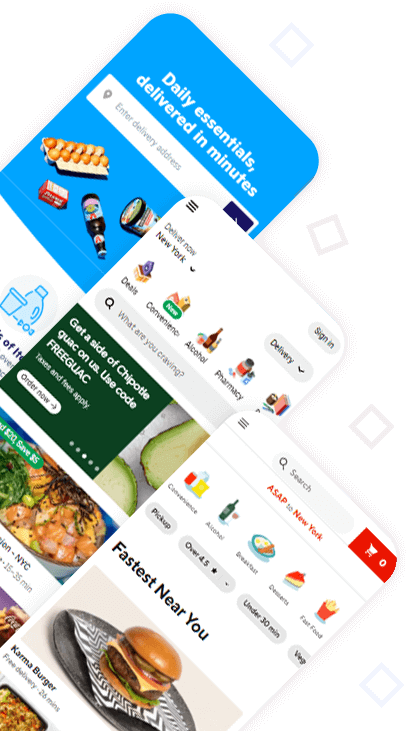
Food aggregators such as DoorDash, Uber Eats, Swiggy and Talabat list hundreds of thousands of restaurants. Each listing also shows a menu, prices, ratings, and delivery details. Together, those listings form a live map of the delivery side of local restaurant markets. So businesses can use them to see which cuisines are crowded, which prices win, and where gaps remain. This guide, therefore, explains what food aggregators show, which questions their data answers, and where its limits lie.

In short:

  • What they hold: menus, prices, fees, ratings, offers and delivery areas for each listed restaurant.
  • What you learn: cuisine mix, price bands, competition and gaps, area by area.
  • The catch: listings show supply and demand signals, not exact sales.
  • How to get it: a weekly or daily data feed from FoodSpark.

Buttons: Get a Free Market Sample · Talk to a Data Expert

What Food Aggregators Are and Why Their Data Matters

Food aggregators are apps that list many restaurants in one place. They also take orders and often arrange delivery, though some restaurants use their own drivers. Because restaurants publish their menus, prices, and hours there, the apps reveal how a local market works.

In addition, their scale makes that picture rich. For example, Swiggy averaged about 265,800 monthly transacting restaurant partners in the quarter to June 2026. Meanwhile, DoorDash worked with more than 600,000 US merchants in 2025, from restaurants to grocers. Uber’s delivery business, which also covers grocery, handled $27.5 billion in gross bookings in Q2 2026, too.

Food Aggregators at a Glance

PlatformMain marketsScale signal
DoorDashUS and about 40 other countries, including Wolt and Deliveroo markets600,000+ US merchants in 2025
Uber EatsAmericas, Europe and Asia-Pacific$27.5 billion Uber delivery bookings, Q2 2026
SwiggyIndia265,800 monthly transacting restaurant partners, Q1 FY27
TalabatKuwait, UAE, Qatar, Bahrain, Oman, Egypt, Jordan and Iraq7 million+ monthly active customers, December 2025

8 Market Insights Food Aggregators Can Reveal

In fact, data from food aggregators can answer many questions that once needed costly field surveys. For example:

  1. Cuisine crowding: first, count listings by cuisine in each area.
  2. Price levels: then compare typical dish prices and price bands.
  3. Market gaps: also look for cuisines with few listings but strong ratings nearby.
  4. Growth: in addition, track new listings and rising review counts over time.
  5. Competition: count the restaurants that deliver to each zone, too.
  6. Offer pressure: similarly, measure the share of listings running discounts.
  7. Delivery costs: also compare fees, minimum orders, and delivery times by area.
  8. Players: finally, split chains, independents and virtual brands.

As a result, a team can get a first read on a market much faster than with field surveys.

Data Fields to Collect From Food Aggregators

To answer those questions, however, you need the same fields from every app. Then you can compare apps, areas and dates fairly.

Data groupFields
RestaurantName, ID, cuisines, address, postcode and opening hours
MenuCategories, dishes, sizes and add-ons
PricesDish prices and discounted prices
FeesDelivery fee, service fee and minimum order
RatingsStar rating and review count
OffersDiscounts, free delivery and bundle deals
DeliveryDelivery time and areas served
StatusOpen, closed, new or removed listings

How to Turn Listings Into Market Insight

Raw listings only become insight after a few careful steps:

  1. Pick your area and apps: for instance, choose the cities and food aggregators your customers use.
  2. Remove duplicates: many restaurants appear on several apps, so match them first.
  3. Clean the fields: group similar cuisines and convert prices to one currency and tax basis.
  4. Take regular snapshots: weekly data shows trends, while a single pull cannot.
  5. Compare and track: then compare areas and watch how each one changes.

Ratings, however, deserve special care. In a 2011 study of Seattle restaurants, Michael Luca found a one-star Yelp rise meant 5% to 9% more revenue. Yet that effect applied mainly to independent restaurants, not chains. So treat ratings and review counts as demand signals, not as sales figures.

Worked Example: Finding a Cuisine Gap

The figures below are examples only. For instance, suppose you compare Korean food in two nearby areas.

MeasureArea AArea B
Korean restaurant listings184
Median rating4.24.6
Median main-dish price$15.50$17.00
Listings with offers61%25%

In this example, Area B has few rivals, strong ratings, and higher prices. It also relies less on discounts. So Area B looks like the better place for a new Korean brand.

Who Uses Data From Food Aggregators?

Many kinds of businesses now use data from food aggregators. For example:

  • Restaurant chains: pick new sites and set prices against local rivals.
  • Food and drink brands: also see which products appear in combos and offers.
  • Investors and analysts: track restaurant counts, cuisine trends and pricing over time.
  • Delivery platforms: spot supply gaps and compare fees with rivals.
  • Property owners: plan the right restaurant mix for a site or food hall.
  • Consultants and researchers: size markets quickly for clients.

Limits of Food Aggregator Data

Data from food aggregators is powerful, but it is not the whole market. So keep these limits in mind:

  • Not every restaurant is listed: for example, dine-in-only places and own-website orders stay invisible.
  • Listings are not sales: instead, review counts and ratings are signals of demand.
  • Delivery costs more: in fact, LendingTree found delivered meals from five big chains cost 79.5% more than pickup in 2025.
  • Coverage varies: each app is stronger in some cities than others.
  • Terms of use apply: many apps restrict scraping or commercial use, so collect public data only and take legal advice.

Even so, these limits are manageable. After all, combining several apps and tracking trends over time reduces many blind spots, though not all.

How to Get Data From Food Aggregators With FoodSpark

In short, FoodSpark collects public listing data from food aggregators and delivers it in one clean format. Getting started takes four steps:

  1. Share your needs: first, tell us the apps, cities, and fields you want.
  2. Review a free sample: then we send 100 rows within four business hours, with no payment needed.
  3. Set up the feed: then we configure crawlers, schedules, and quality checks.
  4. Stay covered: finally, we fix the crawlers whenever an app changes.

To learn more, see our food aggregator scraping service or our food data API. You can also read how restaurant review aggregators help with market research.

Get Started

See Your Market in Data

Menus, prices and ratings from top delivery apps.

Get started Today!
cta-bg

Food Aggregators: FAQs

What are food aggregators?

Food aggregators are apps that list many restaurants and take orders for them. Examples include DoorDash, Uber Eats, Swiggy, Zomato, and Talabat.

Which food aggregators should I track?

Track the apps your customers use in each city. In many cities, a few apps lead, so start with those.

Can aggregator data show restaurant sales?

Not directly. However, ratings, review counts, and listing changes give useful demand signals.

How often should I refresh the data?

Weekly data suits many market studies. However, daily data works better for prices and offers.

Is it legal to collect data from food aggregators?

We collect only public listing data and strip out personal data. Even so, app terms vary, so check your use case with your own legal team.

How do I get a free sample?

First, tell us the apps, cities, and fields you need. Then we send a free sample, usually as JSON or CSV.

Table of Contents

Need Custom Food Data?
  • Custom Food Data Solutions
  • Choose Platforms, Fields, Formats
  • Flexible Data Delivery Formats

How Food Aggregators Help Businesses Understand Restaurant Markets

How Food Aggregators Help Businesses Understand Restaurant Markets

Table of Contents

Explore Our Latest Insights

How Food Aggregators Help Businesses Understand Restaurant Markets

How Food Aggregators Help Businesses Understand Restaurant Markets

Can You Get Just Eat Restaurant Data Through an API? Here’s What Businesses Need to Know

Just Eat restaurant data can come through an API, but probably not the one you expect. Just Eat’s documented APIs...

Read more

Uber Eats Scraper vs. Uber Eats Data API: Build or Buy?

With an Uber Eats scraper, you collect menus, prices, and fees yourself. With a data API, by contrast, the data...

Read more