Food Data API Pricing Models Explained: Per Call vs. Per Record vs. Monthly Feed Get The Full Insight ✕
Restaurant Promotion Tracking 2027: How QSR Chains Monitor Competitor Deals

Restaurant Promotion Tracking 2027 How QSR Chains Monitor Competitor Deals

Restaurant promotion tracking means recording competitors’ deals, discounts, and limited-time offers across every channel. For QSR chains, it has become a core pricing tool because value deals now move traffic fast.

In fact, fast food’s value war shows no sign of slowing. So with restaurant promotion tracking, brands can spot a rival’s deal early and respond before they lose customers.

This guide covers where QSR deals appear and which fields to capture. It also shows how to turn deal data into pricing decisions.

Deal typeReal exampleWhy it matters
Value menuMcDonald’s $3-and-under menu (April 2026)Sets a low entry price
Meal bundleMcDonald’s $5 and $8 meal dealsFixes the price of a full meal
Tiered meal dealChili’s “3 for Me”Lets diners trade up between price tiers
Low-price menu tierTaco Bell’s Luxe Value Menu, with 10 items at $3 or lessCompetes on entry price
Spend X, get YDoorDash’s “Spend $X, Get Y” formatLifts basket size on delivery
Free or cheaper deliveryDoorDash’s “Try Me Free” formatRemoves friction at checkout

Why Restaurant Promotion Tracking Matters Now

Value deals have become the main battleground in fast food. For example, McDonald’s launched its Extra Value Meal in September 2025, according to Placer.ai. Meanwhile, Taco Bell promoted a Luxe Value Menu with 10 items at $3 or less.

Casual dining joined in, too. Chili’s “3 for Me” deal drove its comeback, and its same-store visits rose every month of 2025. Then Applebee’s and Red Robin reportedly copied the idea with tiered meal deals.

The stakes are clear. In late 2025, McDonald’s agreed to absorb part of the cost of its $5 and $8 meal deals. At the time, lower-income traffic had fallen nearly double digits. Then, in April 2026, it launched a $3-and-under menu, reportedly called “McValue 2.0” internally.

However, deals only work when they’re seen. In Q2 2026, McDonald’s US comparable sales grew just 0.8%. Its CEO blamed “weak promotion of value deals” and fewer digital offers.

So restaurant promotion tracking helps chains see what rivals offer, where and for how long.

Where QSR Promotions Appear

Competitor deals show up in several channels. So restaurant promotion tracking needs to cover each one:

  • Brand websites and menus: value menus, bundles and limited-time items, often with prices.
  • Brand apps and loyalty programs: digital offers, such as McDonald’s buy-one-add-one deals. However, some are personalised or need a login.
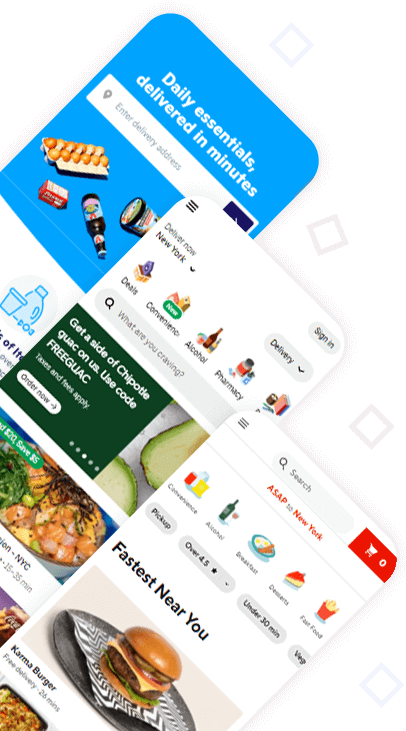
  • Delivery apps: restaurants run their own offers here. For instance, DoorDash lists promotion formats such as “Spend $X, Get Y”, BOGO, and free items. It also offers “Try Me Free” delivery deals.
  • Delivery app targeting: Uber Eats lets merchants target new or existing customers. As a result, two shoppers can see different offers.
  • Press releases and news: big launches, like a new value menu, usually get announced.
  • Social media and email: short flash deals can appear here before anywhere else.
  • Menu boards and drive-thrus: in-store offers matter, but they’re hard to collect at scale.

In short, no single channel shows every deal. So combine public sources, and note where each offer appeared.

Fields to Capture for Restaurant Promotion Tracking

The right fields make restaurant promotion tracking comparable across brands, channels, and time. For example:

FieldWhy it matters
Brand, store and locationDeals can differ by franchise, city, or store
ChannelSeparates app, delivery app, website and in-store offers
Offer typeGroups value menus, bundles, BOGO and delivery deals
Offer textRecords the exact wording customers see
Deal price and regular priceShows the real discount depth
Items includedExplains what customers get for the price
ConditionsNotes minimum spend, new-customer rules or membership
First-seen and last-seen datesMeasures how long each deal runs
Source URL and timestampProves where and when the deal appeared

Also, link each deal to the regular menu price. Otherwise, you can’t tell a real discount from a normal price.

How to Track Competitor Deals, Step by Step

Follow these steps to set up restaurant promotion tracking that your team can trust:

  1. Pick competitors and markets. Choose the chains you compete with, plus a sample of cities or ZIP codes.
  2. Map the channels. List each rival’s website, app, delivery app pages, and social accounts.
  3. Set a schedule. Check daily during launches and holidays, then weekly at other times.
  4. Capture regular prices too. Record normal menu prices, so you can measure each discount.
  5. Standardise offer types. Tag every deal as a value menu, bundle, BOGO, spend-and-save, or delivery offer.
  6. Log first-seen and last-seen dates. Then you know when each deal started and ended.
  7. Set alerts. Flag new deals, price changes, and deals that expand to more stores.
  8. Review weekly. Finally, share a short summary with pricing and marketing teams.

Daily checks matter most during launches. That’s because short deals, such as happy hour offers, can come and go between weekly checks.

Metrics That Turn Deal Data Into Decisions

Raw deal lists are only the start. These metrics make restaurant promotion tracking useful:

  • Discount depth: the deal price versus the regular price, as a percentage.
  • Price points: the cheapest meal or bundle each rival offers, such as $3, $5, or $8.
  • Deal frequency: how many offers each competitor runs at once.
  • Deal duration: how long each offer stays live, from first seen to last seen.
  • Channel mix: the share of deals that are app-only, delivery-only, or available everywhere.
  • Store coverage: the share of stores or cities where a deal appears.
  • Response time: how fast rivals answer your launches, and how fast you answer theirs.

Then pair deal data with traffic or sales data. For example, Placer.ai links Chili’s visit growth to its “3 for Me” deal. So outcome data shows which deals actually work.

Pitfalls in Restaurant Promotion Tracking

Data for restaurant promotion tracking is messier than menu data. So watch for these common problems:

  • Personalised offers: some app and loyalty deals differ for each customer. So track public offers only, and never use customer accounts.
  • New-customer deals: delivery apps can show first-order offers to some users only. Therefore, record the conditions with each deal.
  • Franchise variation: franchisees may run local deals that head office doesn’t announce. As a result, sample several stores per city.
  • Flash deals: happy hour and one-day offers can disappear before a weekly check. Instead, check daily during busy periods.
  • Missing regular prices: without the normal price, you can’t measure discount depth.
  • Confusing deal funding: some delivery app offers are funded by the restaurant, so read the offer terms where shown.

Also, collect public information only. Don’t log in as a customer or collect personal details.

Who Uses Restaurant Promotion Tracking

For example, these teams rely on restaurant promotion tracking:

  • QSR pricing teams: benchmark value menus and bundles against rivals.
  • Marketing teams: plan launches around competitors’ deal calendars.
  • Franchise groups: check how local deals compare with national offers.
  • Agencies and consultants: report on the value war for restaurant clients.
  • Beverage and CPG partners: see which drinks and sides appear in bundles.
  • Analysts and investors: follow discount intensity across the sector.

How FoodSpark Helps

FoodSpark collects public promotion and offer data, including BOGO deals, happy hour specials, and limited-time offers. So you can run restaurant promotion tracking without building your own scrapers.

  • Sources: restaurant websites and delivery apps such as DoorDash, Uber Eats and Grubhub.
  • Fields: offer text, deal and menu prices, combo deals and the dates each offer appears.
  • Coverage: by city, postcode, or radius.
  • Refresh: one-time, weekly, daily, or hourly.
  • Formats: CSV, JSON, XML, REST API or webhook, with delivery to AWS S3, BigQuery, Snowflake or Google Sheets.
  • Compliance: public data only, with no personal user data, payment information, or non-public content.

To learn more, see our promotions and offers data scraping service and QSR intelligence page. You can also read our QSR menu trends report. Then check food data API pricing for a free 100-row sample.

Get Started

Get a Free Competitor Deal Snapshot

Pick three QSR chains and one city. We’ll show their current value menus, bundles and delivery app offers in a free 100-row sample.

Talk to a Data Expert
cta-bg

Restaurant Promotion Tracking: FAQs

What is restaurant promotion tracking?

It means recording competitors’ deals, discounts, and limited-time offers over time. Then you compare them by brand, channel, and location.

How do QSR chains monitor competitor deals?

They collect deals from websites, apps, delivery apps, and news. Then they compare discount depth, price points, and timing against their own offers.

Which channels should I track?

Start with brand websites and delivery apps, because their offers are public. Then add news and social media for launches and flash deals.

How often should I check competitor promotions?

Weekly suits most periods. However, check daily during launches and holidays, because short deals can disappear quickly.

Can I track app-only and loyalty deals?

Only where they’re shown publicly, personalised loyalty offers need a customer login, so leave them out and avoid personal data.

How can I get promotion data from FoodSpark?

FoodSpark offers a free 100-row sample in CSV or JSON. Just tell us the chains, channels, and cities you need.

Table of Contents

Need Custom Food Data?
  • Custom Food Data Solutions
  • Choose Platforms, Fields, Formats
  • Flexible Data Delivery Formats

Restaurant Promotion Tracking 2027: How QSR Chains Monitor Competitor Deals

Restaurant Promotion Tracking 2027 How QSR Chains Monitor Competitor Deals

Table of Contents

Explore Our Latest Insights

Restaurant Promotion Tracking 2027 How QSR Chains Monitor Competitor Deals

Restaurant Promotion Tracking 2027: How QSR Chains Monitor Competitor Deals

Food Data API Pricing Models Explained: Per Call vs. Per Record vs. Monthly Feed

Food data API pricing models decide how much you pay for menus, prices, listings, and nutrition data. Most providers charge...

Read more

Restaurant Menu Data API: Providers, Pricing Models, and What You Get

A restaurant menu data API delivers menu items, prices, and options from restaurants in a structured format. However, providers differ...

Read more