Restaurant Review Sentiment Analysis: How Chains Turn Reviews Into Menu and Service Fixes Get The Full Insight ✕
Competitor Menu Data for Cloud Kitchens: Pricing Guide 2027

How Cloud Kitchens Use Competitor Menu Data to Improve Pricing and Product Strategy

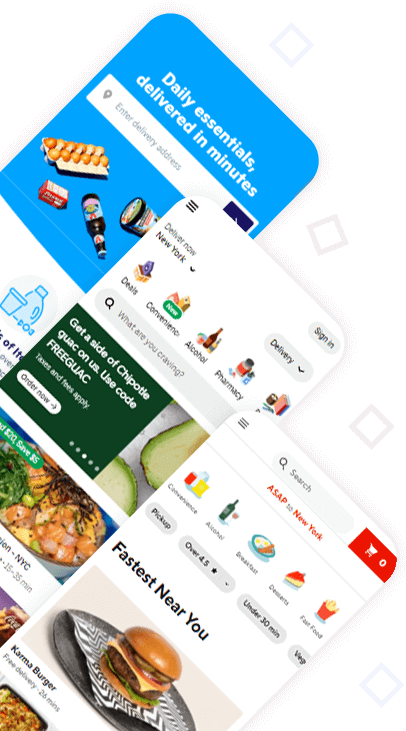
Two cloud kitchens can sell the same butter chicken in the same delivery zone and still achieve very different sales. The difference may come down to pricing, portion sizes, meal combinations, customer ratings, and how effectively each brand positions its menu on food delivery apps. Unlike traditional restaurants, cloud kitchens depend heavily on digital listings to attract customers and generate orders.

This makes competitor menu analysis an important part of running a profitable cloud kitchen. By tracking competitor prices, popular dishes, discounts, ratings, and menu changes, operators can identify pricing gaps, discover product opportunities, and respond to changing customer preferencesAutomated food delivery data scraping makes this process easier by collecting menu information from multiple platforms at scale. This guide explains how cloud kitchens can use competitor menu data to make informed pricing decisions, improve menu planning, and strengthen their overall product strategy.

How Does Food Delivery Menu Data Scraping Work?

Competitor menu data is the structured record of what rival restaurants and virtual brands sell, pulled from their live listings on delivery platforms. A single dataset can hold dish names, descriptions, prices, portion sizes, combo logic, add-ons, star ratings, review counts, availability status, and the exact dates items were changed. For a cloud kitchen, this matters because the app page is the entire storefront, and whoever understands that shelf better tends to win the order. The market pressure behind this is measurable, not vague. According to IMARC Group, whose forecast uses a 2025 base year and a 2026–2034 projection window, the global cloud kitchen market stood at roughly USD 85.5 billion in 2025 and is expected to reach about USD 185.7 billion by 2034 at a 9.0% CAGR. More operators chasing the same delivery radius means the margin for sloppy guessing keeps shrinking.

How Does Automated Menu Scraping Actually Capture This Data?

Manual tracking breaks the moment you watch more than a handful of rivals, For larger datasets, restaurant menu data scraping can automate this process across multiple competitors and delivery platforms.Here is what a well-built menu data scraping pipeline captures and how it keeps the information usable:

  • Scheduled crawls, run daily or hourly, which snapshot competitor pages often enough to catch price edits, new launches, and sold-out items before they go stale.
  • Field-level extraction of price, portion text, rating, review volume, and availability status, rather than a flat screenshot that a human still has to decode.
  • Change tracking over time, where each crawl is compared against the last so added dishes, removed dishes, and price movements surface automatically.
  • Data normalization that reconciles mismatched dish names, currencies, and portion labels, since a “medium” on one app and a “regular” on another describe the same thing and should line up before you compare prices.
  • Multi-platform coverage spanning Swiggy, Zomato, Uber Eats, DoorDash, Deliveroo, and Talabat, since one competitor often prices the same item differently across apps.

Without normalization and scheduling, a pile of raw listings stays noisy, whereas a clean feed becomes something your team can trust for pricing calls.

7 Key Competitor Menu Data Points Cloud Kitchens Should Track

Not every field earns the same attention. These signals tend to move the needle fastest when monitored on a schedule:

  • Price points and price shifts on comparable dishes, which expose how premium or aggressive a rival has chosen to be.
  • Combo and bundle design, since the grouping of items usually hides the real margin play.
  • Portion and serving descriptions, because value perception on delivery apps leans heavily on how much food the customer believes they receive.
  • Ratings paired with review volume, which separate the dishes customers genuinely repeat from the ones that merely sit on the menu.
  • Discount timing, especially around weekends, paydays, and festival spikes when order volume surges.

How to Use Competitor Menu Data for Better Pricing and Product Decisions?

The table below ties each data signal to the decision it supports, so the payoff is easy to scan.

Menu Data SignalWhat It RevealsPricing or Product Action
Competitor price per dishLocal price band for the categoryPosition items within or just under the band
Bundle and combo designHow competitor defend their marginsBuild combos that lift average order value
Top-rated, high-review dishesProven, repeatable demandAdd or refine similar high-interest items
Discount frequency and timingPromotion-driven demand cyclesSchedule offers for peak pickup windows
Items removed over monthsDishes that likely underperformedSkip or rework weak product ideas early

A Worked Example: Adjusting One Dish in a Week

Numbers make this concrete, so picture a chicken biryani brand operating in a single delivery zone. Its competitor feed shows that eleven nearby kitchens price a comparable biryani between ₹220 and ₹265, with the three highest-rated options clustering at ₹239. The brand had been charging ₹289, and its conversion on that item lagged despite solid reviews. Using the competitor price monitoring data, the operator repriced the solo biryani to ₹249 and introduced a ₹319 “biryani plus drink and dessert” combo that still protected margin through the bundled add-ons. Within one week, the combo lifted the average order value while the sharper solo price pulled the item back into the local band. That is the loop in miniature: observe the band, reposition the price, and recover volume without quietly destroying margin.

How Cloud Kitchens Can Build a Data-Driven Pricing Strategy

Tracking competitor menus manually becomes difficult when a cloud kitchen operates across multiple locations, virtual brands, and food delivery platforms. Cloud Kitchens Data Scraping helps businesses automate this process and collect structured competitor menu data at scale. Pricing on delivery apps is a tightrope, since a number set too high gets scrolled past, while one set too low drains your margin in silence. A disciplined pricing strategy built on real data follows a clear order:

  1. Benchmarking against the local band anchors you to what customers already expect for the category.
  2. Spotting underpriced and overpriced gaps lets you claim a value position rivals have left open.
  3. Tracking discount cycles helps you counter promotions at the moment they bite into your volume.
  4. Re-checking margin after every change guarantees that a lower sticker price never turns a bestseller into a loss.

How Competitor Menu Analysis Helps Cloud Kitchens Improve Product Strategy

Price wins the click, yet the product strategy wins the reorder, and menu intelligence pays off most here.

Demand validation before launch. A competitor dish with hundreds of strong reviews proves an audience already wants that flavor, which lowers the risk of adding it to your own lineup.

Gap discovery across the radius. When several rivals ignore a category such as high-protein bowls or late-night snacks, that empty shelf often becomes the opening for a new virtual brand.

Menu pruning with evidence. Dishes that competitors quietly drop usually signal weak demand, and catching that pattern helps you cut dead weight before it slows your kitchen.

How Foodspark Helps Cloud Kitchens Track Competitor Menu Data at Scale?

Tracking competitor menus manually becomes difficult when a cloud kitchen operates across multiple locations, virtual brands, and food delivery platforms. Foodspark helps businesses overcome this challenge through automated food delivery data scraping and structured menu data collection.Foodspark can also deliver structured menu and pricing information through a food data API for businesses that need recurring access to competitor data.

Businesses can use these datasets to monitor competitor offerings and analyze important menu attributes, including:

  • Competitor pricing: Track dish prices and identify changes across competing restaurant listings.
  • Menu and product information: Collect dish names, descriptions, categories, portion details, and add-on options.
  • Ratings and customer feedback signals: Monitor available ratings and review counts to understand how competing products are positioned.
  • Discounts and promotions: Identify promotional offers, combo pricing, and changes in listed discounts.
  • Menu availability: Monitor listed item availability and identify changes across collection periods.
  • Historical menu changes: Compare collected snapshots to understand how competitor offerings evolve over time.

With structured and regularly refreshed menu datasets, cloud kitchen operators can reduce manual monitoring efforts and make better-informed pricing, product development, and competitive positioning decisions.

Whether you operate a single virtual brand or manage multiple kitchen locations, explore Foodspark’s food delivery data scraping services to understand how automated menu data collection can support your competitive intelligence requirements.

Turn Competitor Menu Insights Into Better Cloud Kitchen Decisions

Competitor menu data gives cloud kitchen operators a clearer understanding of local pricing, popular dishes, promotional strategies, and changing customer preferences. By analyzing these signals alongside internal sales and cost data, businesses can identify pricing opportunities, improve menu combinations, and make more informed product development decisions. Automated food delivery data scraping makes this process easier by collecting structured information from multiple platforms without relying on repetitive manual checks. If you want to monitor competitor menus across locations and delivery platforms, Foodspark can help you build a reliable data collection process. Explore its food delivery data scraping services to turn competitor menu information into actionable business insights.

Get Started

Build a Data-Driven Cloud Kitchen Strategy

Access regularly updated food delivery data and turn competitor insights into actionable decisions.

Get Custom Data Today
cta-bg

FAQ – Competitor Menu Data for Cloud Kitchens

1. What is competitor menu data for cloud kitchens?

Competitor menu data includes prices, dishes, portions, combos, ratings, discounts, availability, and menu changes collected from competing restaurants and delivery platforms.

2. How can cloud kitchens use competitor menu data?

Cloud kitchens can use competitor menu data to benchmark prices, identify menu gaps, monitor promotions, analyze popular dishes, and improve product and pricing strategies.

3. What restaurant menu data can be scraped?

Common fields include restaurant names, menu items, descriptions, prices, portions, add-ons, combos, ratings, reviews, discounts, availability, and location data.

4. How often should cloud kitchens track competitor menus?

The ideal frequency depends on the market. Daily or hourly monitoring can help track frequent price, promotion, availability, and menu changes.

5. Can competitor menu data be collected from multiple food delivery platforms?

Yes. Businesses can collect structured menu and pricing data from multiple supported food delivery platforms to compare competitors across markets and locations.

6. How does FoodSpark help with competitor menu analysis?

FoodSpark collects and structures competitor menu, pricing, promotion, rating, and availability data to help businesses monitor markets and make informed pricing and product decisions.

Table of Contents

Need Custom Food Data?
  • Custom Food Data Solutions
  • Choose Platforms, Fields, Formats
  • Flexible Data Delivery Formats

Competitor Menu Data for Cloud Kitchens: Pricing Guide 2027

How Cloud Kitchens Use Competitor Menu Data to Improve Pricing and Product Strategy

Table of Contents

Explore Our Latest Insights

How Cloud Kitchens Use Competitor Menu Data to Improve Pricing and Product Strategy

Competitor Menu Data for Cloud Kitchens: Pricing Guide 2027

Restaurant Review Sentiment Analysis: How Chains Turn Reviews Into Menu and Service Fixes

Restaurant review sentiment analysis reads thousands of reviews and shows what diners love or dislike, outlet by outlet. So chains...

Read more

Zomato and Swiggy Reviews Data: Track Ratings by Restaurant and Pincode

Zomato and Swiggy reviews data shows how diners rate each of your outlets, pincode by pincode. So brands can spot...

Read more