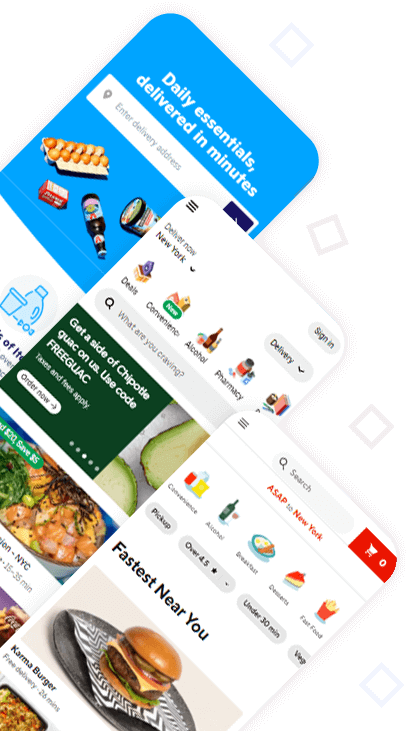
Scaling Your Cloud Kitchen with Food Data Scraping Technology

Scaling-Your-Cloud-Kitchen-with-Food-Data-Scraping-Technology

The cloud kitchen has changed the way the food industry works. With this cloud kitchen industry, you will get a flexible and cost-effective approach to food delivery service without requiring any physical seating space. For a successful business, data-driven decisions are necessary. This can be done with the use of the latest technology to scrape Zomato and Swiggy to gain insights into customer behaviour, pricing strategies, and regional preferences. In this blog post, you will gain immense knowledge about how to get cloud kitchen data by scraping the most popular online food ordering service providers such as Zomato and Swiggy.

The Need for Data in Cloud Kitchens

Cloud kitchens, many times known as virtual kitchens, have powered the food industry by operating online orders, which eliminates the need for a physical restaurant. This trend relies on food delivery service providers such as Swiggy and Zomato to reach potential customers. It helps online food delivery businesses to gain and understand a large amount of insights that these platforms generate.

In this hyper-competitive era, it is difficult for any business to thrive, even for a cloud food delivery service provider. You, as a business owner, can use cloud kitchen analytics to get insights and make decisions based on facts or information. Businesses can also optimize their menus, pricing, and marketing efforts by identifying customer orders, activity times, and pricing responses.

Today, Swiggy and Zomato are the most leading online food delivery service providers. Businesses can scrape data from them to pull out numerous useful insights to track competitors, popular dishes, and identify gaps in the market. For instance, it can help your cloud kitchen find an ideal delivery time in specific areas. This will enable them to allocate resources more efficiently.

Key Benefits of Scaling a Cloud Kitchen with Food Data Scraping Technology

  • Competitive Analysis: It is an analysis that provides your competitor’s menus, pricing tactics, and reviews for the betterment of your cloud kitchen business.
  • Customer Behaviour Analysis: You will acquire insights about the customer’s actions before and after placing an order.
  • Operational Efficiency: Monitor feedback and delivery schedules to enhance your cloud kitchen operations.
  • Market Trends: Cloud kitchen food data Scraping can be utilized to explore seasonal trends that elevate items you are offering, the popularity of certain cuisines, and the demand for new menu items.
  • Optimized Menu Engineering: Optimize your menu to maximize profit and customer satisfaction.
  • Menu Analysis: Menu data extraction on pricing, items, description, and popularity gives a clear picture of what your customer is looking for.
  • Location-Based Demand Data: Identifies demand hotspots for cloud kitchens, aiding location selection, delivery planning, and targeted marketing.
  • Delivery Consistency: Delivery efficiency plays an important role in a virtual kitchen. Scrape data on delivery times and locations to minimize delays, optimizing services and enhancing customer satisfaction.
  • Customer Feedback: To make your cloud kitchen business successful, reviews and ratings are valuable sources of feedback. It helps to improve your business service quality.

What Data Can You Scrape from Cloud Kitchen?

To make your food delivery business successful, you have to scrape data that provides sustainable aspects of your business. Let’s have a look at some important data you can get by scraping a food online delivery service.

  • Menu Items: Get Ingredients, prices, portion sizes, and dishes that your competitors are serving.
  • Pricing Strategies: Understand competitors’ prices and how each menu item works in different places.
  • Customer Reviews: Identify customer feedback and know areas that need to improve in your cloud kitchen business.
  • Delivery Times: Details regarding typical delivery times that differ by location and cuisine.
  • Order Volume: How often orders and peak ordering times change.
  • Restaurant Details: Get restaurant details on location, operating hours, delivery area, and so forth.
  • Professional Offers: Analyze discounts and other promotional or marketing strategies used by your competitors.

Top 5 Practical Use Cases of Scraping Cloud Kitchen Data

Let’s explore the top 5 use cases of scraping cloud kitchen data for your business:

  • Regional Menu Optimization: Use of online food delivery service providers such as Swiggy and Zomato can help you analyze competitors’ menus for various regions. This way, you will be able to know food dishes and cuisines that are most famous in your region. Say, for example, if sweet dishes are popular in one city, then you can easily adjust your menu to similar items. This strategy will attract customers to your desired place. If you wish to collect data on regional preferences and optimize offerings, then the cloud kitchen scraping API works well for you.
  • Competitive Pricing Strategy: Developing a pricing strategy that is competitive is easy. You just have to scrape your competitor’s item pricing. Scraping cloud kitchen data can create a pricing structure that matches market demand and manages profit. Consider an example, if a competitor offers popular dishes at very low prices, you can offer a discount to your customers. Therefore, grab price-sensitive customers.
  • Customer Sentiment Analysis: Grabbing customer reviews from cloud kitchen enables you to examine your customers’ feelings and thoughts about the services and food items you are providing. If you find that reviews point out issues with a particular dish, then you need to adjust either the recipe or the preparation. Here, a positive review will show you what your restaurant is good at, so you can retain your business process.
  • Targeted Marketing: Cloud kitchen campaigns data scraping enables you to customize marketing campaigns to desired customers. Say if your data provides how often your customer orders non-veg dishes, you can use it to promote your cloud restaurant. Virtual kitchen food data scraping can be used to acquire data-driven insights that ultimately boost your restaurant’s effectiveness.
  • Analysis of Seasonal Trend: Monitoring how often your customers are placing orders and dish popularity can help you know seasonal trends. For example, you may find the demand for cold drinks during the summer season. You need to prepare your kitchen and marketing strategy accordingly to get maximum profit.

What Are The Challenges?

  • Technical Barriers: Scraping food data from a ghost kitchen is prone to technical issues such as dynamic content loading or Captcha. It makes the data scraping process more difficult.
  • Data Accuracy: It is quite challenging to ensure that your scraped data is the latest one due to scraping a large amount of information.
  • Legal Risk: Scraping data from any cloud kitchen may be illegal if your specific circumstances or jurisdiction do not allow it. In such a scenario, you can consult with legal experts to understand legal laws.
  • Infrastructure Bottlenecks: Scraping food data from cloud kitchens may degrade server performance. It also requires proper infrastructure that can handle data volume and processing.
  • Platform Dependency: Every virtual kitchen is dependent on its competitors, say, Zomato and Swiggy, which control visibility, delivery, and pricing. This dependency will limit visibility of your brand quality.
  • Lack of Pricing Power: It may be difficult for virtual kitchens to justify higher prices without a dining experience, so scraping data from them will impact their profitability.

Conclusion

Cloud kitchen food data can be scraped to gain comprehensive datasets for your business to thrive in a competitive food delivery landscape. However, there are many challenges and difficulties when it comes to scrapping. On the other side, it offers valuable insights that your business needs to sustain itself. It is good that you use such technology wisely by understanding your Cloud kitchen needs.

At Foodspark, we highly utilize the latest food data scraping technologies that help your virtual kitchen succeed. We are using analytical insights and automation techniques to provide you unmatched food delivery experience for your customers like never before.

Get Started

Unlock Hidden Revenue with Cloud Kitchen Data Today!

Leverage Ghost Kitchen data solutions to optimize delivery menus, pricing, and customer insights. Boost your cloud kitchen growth with real-time analytics.

Explore Services

cta-bg

Explore Our Latest Insights

Why Scraping Zomato Restaurant Data Is Essential for Food Intelligence in 2026

What Is Zomato Data Scraping and Why Does It Matter? Zomato data scraping involves extracting publicly available restaurant information from...

Read more

How to Extract Google Restaurant Menu Data Using APIs for Dining Intelligence?

How to Extract Google Restaurant Menu Data Using APIs for Dining Intelligence? Restaurant menu data powers critical business decisions in...

Read more

Top Use Cases for Food Data APIs Across Food Tech, Delivery & Analytics

Top Use Cases for Food Data APIs Across Food Tech, Delivery & Analytics What Are Food Data APIs and Why...

Read more